

Finding the best software to record desktop often starts when you need to capture a meeting, tutorial, or gameplay, but are not sure which tool to trust. With so many options available, choosing the right recorder can feel overwhelming without a clear, side-by-side comparison.
Top 1. AVAide Screen Recorder
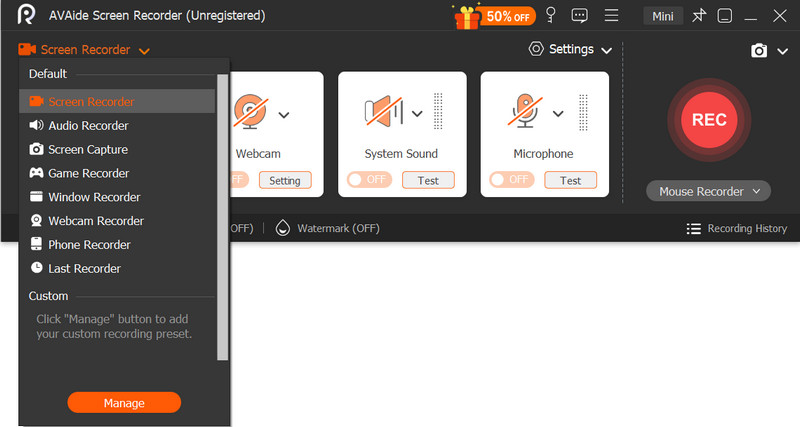
AVAide Screen Recorder is a complete, all-in-one screen recorder that provides a balance of performance, usability, and versatility, something many competitors can hardly match all at once.
Performance
AVAide Screen Recorder was also able to deliver steady images at 1080p and 4K during testing, and no apparent frame drops occurred even during long testing. Compared to light tools that compromise quality or heavy tools that put strain on the resources of the system, it has a smooth capture experience with a low impact on the CPU.
Another good aspect is audio syncing. No delays or desync issues occurred when recording system sound + microphone simultaneously, which is essential in the case of tutorials, gameplay commentary, and meetings.
Features
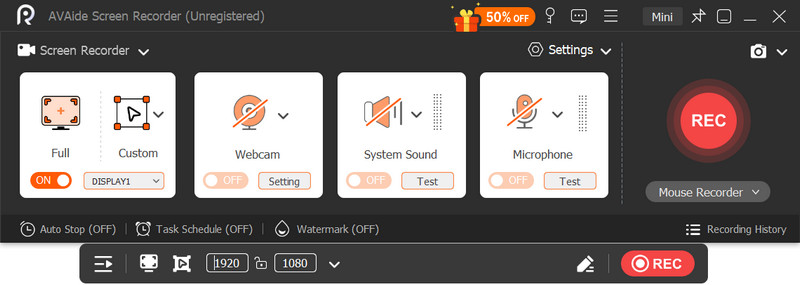
AVAide Screen Recorder is not merely a recorder, but a full-fledged recording workflow:
- Multi-source capture: Screen, webcam, and even phone mirroring.
- Flexible capture modes: Full screen, window, or custom region.
- Live notes: Can be used in tutorials and presentations.
- Scheduled recording: This is seldom done cleanly by competitors.
- Post-recording editing: Trim, compress, combine, and refine audio without having to use third-party software.

FREE DOWNLOAD For Windows 7 or later
 Secure Download
FREE DOWNLOAD For Mac OS X 10.13 or later
Secure DownloadUser Experience
The interface is simple and user-friendly, yet does not sacrifice control. Features such as resolution, frame rate, and audio sources can be accessed without being too much for the novice user.
The work process is also effective:
- Select mode.
- Adjust settings.
- Hit Record.
- Pros
- Basic functionality that facilitates both ease and robust recording capabilities.
- Long-duration (up to 1 hour) 1080p and 4K recording with consistent output.
- System and microphone audio synchronization.
- Easy start recording process with efficient workflow and quick setup.
- Cons
- In-built editing programs are handy but not as sophisticated.
Top 2. OBS Studio
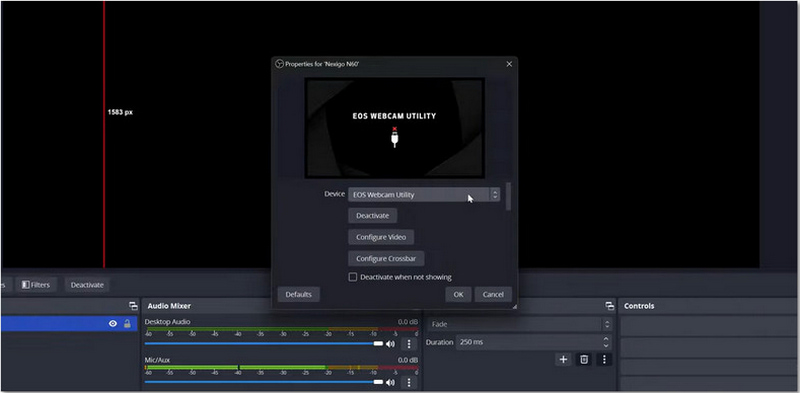
OBS Studio has been generally regarded as the gold standard of professional screen recording and live streaming. It is constructed to be able to give its users all the possibilities to control their recording set and, therefore, is powerful but complicated in comparison with simpler and plug-and-play products. Although it is open-source and free, it is more suitable for users who are well-versed in technical setups.
Performance
When set-up correctly, OBS Studio can be very high-performing even in intensive tasks like gameplay recording, streaming, and multi-source capture. It also has high-quality encoders such as x264 and NVENC, which enable users to compromise between quality and load on the system.
Usability
One of the largest challenges of OBS Studio is usability. Although it is extensively customizable, it has a very high learning curve:
- Layers can be daunting to novice users.
- It is configured manually, with scenes, sources, and settings.
- Optimal performance is often required, and troubleshooting is needed.
- Pros
- Totally open-source and free.
- Extremely flexible recording and streaming configuration.
- Supports modern encoders (x264, NVENC).
- Very good in multi-source recording (game, webcam, audio).
- Good support of extended functionality by means of plugins.
- Cons
- Long learning curve to entry.
- No in-built video editing features.
- Needs to be optimized manually to perform optimally.
Top 3. Bandicam
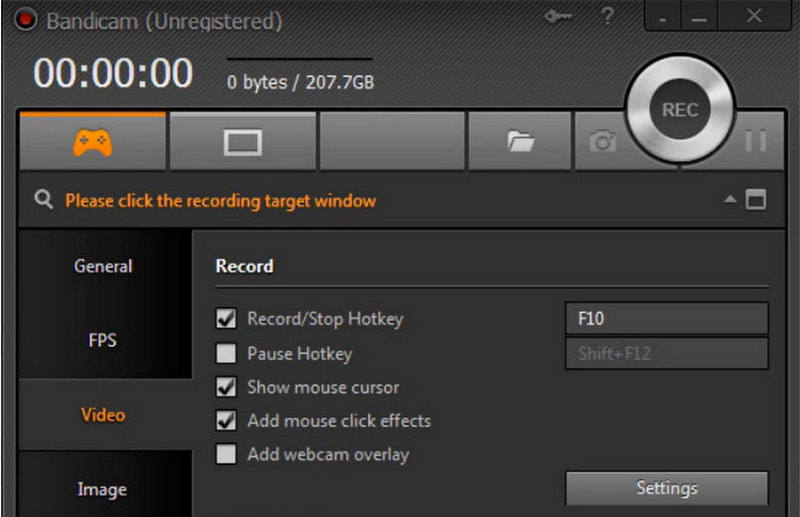
Bandicam is an advanced screen recorder designed with a specific focus on recording gameplay and other activities that consume a lot of resources. Gamers and content creators, who require easy recording with minimum system involvement and effective file management, are the most common users of it.
Performance
Bandicam is also very well performed in situations of high-FPS video recording, capable of recording up to 60 FPS and more, based on the capabilities of the system used. It also had a stable frame rate and generated smaller file sizes during gameplay testing than many of its competitors, including in similar gameplay testing with OBS. One of its most important assets is its built-in compression that enables the user to capture long sessions without necessarily filling up a large storage capacity in a short period.
Usability
The interface is quite straightforward and less advanced than complicated software, such as OBS, but it has handy advanced features. It is easily accessible to users:
- Device recording support.
- Annotations can be made in real time with drawing tools, which are used during recording.
- Although it is simple, the interface is a little bit outdated when compared to the contemporary competitors.
- Pros
- Great performance in high-FPS recording.
- Effective compression causes the files to be smaller without significant quality loss.
- Consistent performance in extended recording periods.
- Easier to use than highly technical recording tools.
- Cons
- In the free version, there is a watermark.
- Minimal in-built editing features.
- Poor interface design in comparison to newer tools.
Top 4. Camtasia
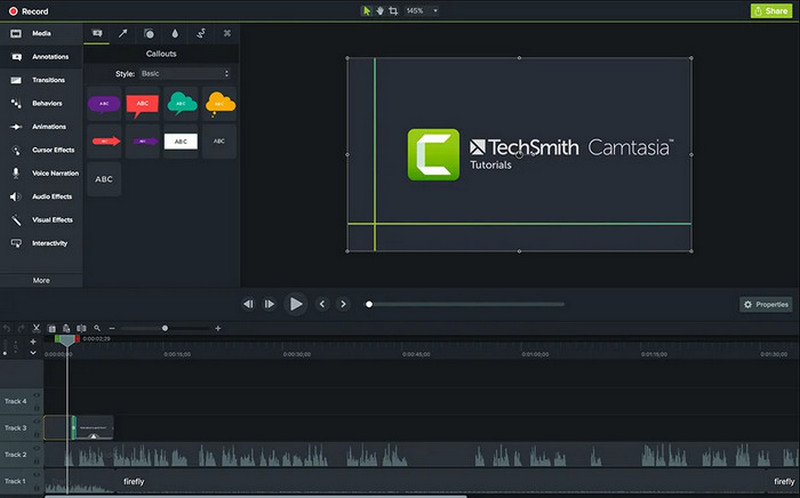
Camtasia Screen Recorder is not much oriented toward mere screen recording but rather providing high-end post-production features. It is aimed at users who require one workflow to record and professionally edit video, which makes it particularly well-liked among educators, marketers, and content creators.
Performance
The recording feature is also reliable and provides good-quality recording, though it is not the priority of the software. Camtasia consumes more system resources compared to lightweight recorders, particularly when performing joint recording and editing. This may cause increased CPU consumption on the low-end machines.
Usability
Camtasia is fairly easy to use with a clean interface and drag-and-drop timeline, but its wide range of features can take time for beginners to fully understand.
- Pros
- Intense in-built editing package including multi-track timeline.
- A wide variety of transitions, animations, and effects.
- In-house assets and templates to produce more quickly.
- Complete recording and editing process.
- Cons
- Very costly relative to other screen recorders.
- Increased use of system resources.
- Unnecessarily complicated for users with basic screen recording needs.
Top 5. Movavi Screen Recorder
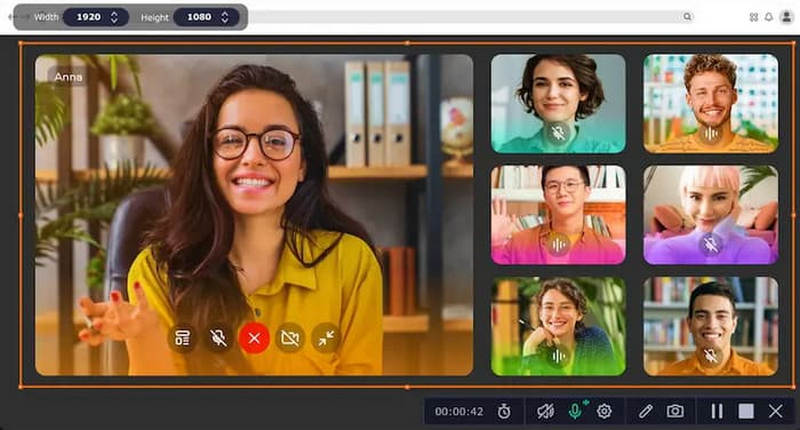
Movavi Screen Recorder is fairly easy and fast, which is why it is a good choice, as it offers users simple and quick access to screen capturing without having to go through multiple settings or other advanced features.
Performance
The software provides a stable and reliable performance with daily recording performance in online meetings, tutorials, and webinars. It has steady production quality to be used regularly and is not made to be a heavy or overburdening recording process.
Usability
Movavi is highly user-friendly and has a clean and user-friendly interface, which enables one to begin recording in a few minutes. It needs very little to set up, and is suited to users who value speed and ease of use more than customization.
- Pros
- Extremely user-friendly and straightforward interface.
- Rapid installation and expedited recording.
- Basic recording performance.
- Cons
- Poor advanced capability to use professionally.
- Watermark in the trial version.
- Inappropriate for multi-layered or complicated workflows.
Top 6. ShareX
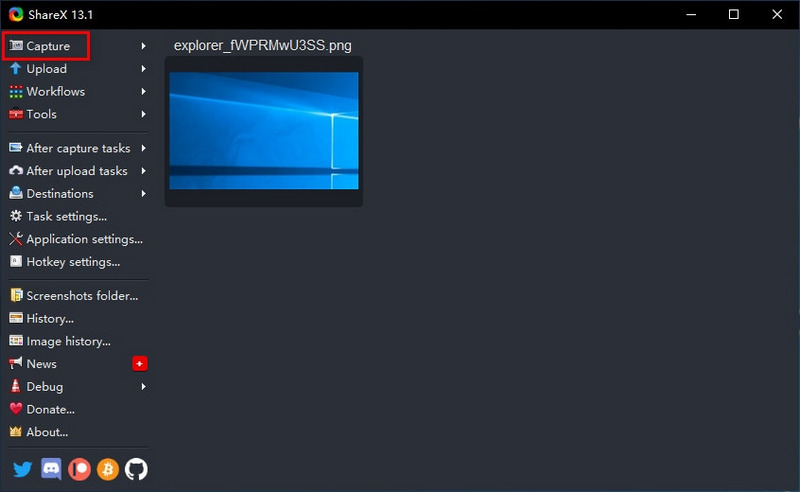
ShareX is a powerful and highly customizable screen capture and recording tool designed for users who prioritize efficiency, automation, and advanced workflows. It is not an easy tool to use, but it is one of the most versatile free tools that one can use to capture and share content as fast as possible.
Performance
ShareX works very well when it comes to rapid screen captures and brief screencasts. It is lightweight, quick, and requires fewer system resources; thus, it is best suited to multitasking. But it is not designed to be used in long recording sessions or high-end video production activities.
Usability
The software has a very versatile interface, with powerful workflow options that are complicated. Its steep learning curve can be a barrier to new users, with its rich settings, automation options, and configuration choices.
- Pros
- Developed screen capture and recording processes.
- Powerful automation capabilities, such as auto-upload and custom scripts.
- Lightweight and fast performance with low system resource usage.
- Cons
- Not easy to use and may seem scary at the start.
- Inadequate built-in video editing.
- Not suited to long-form or professional video making.
Top 7. FlashBack Express
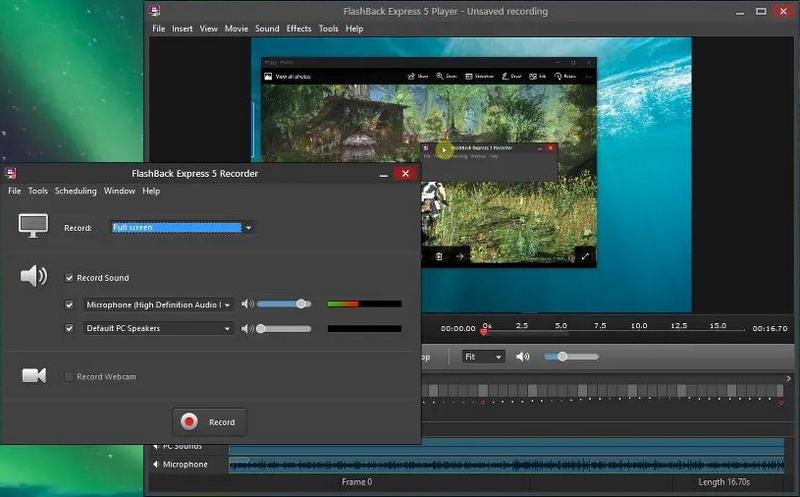
FlashBack Express is a good free version that has fewer limitations than most, making it particularly attractive to users who desire to have a reliable recording without necessarily upgrading to a paid version.
Performance
Trustworthy in extended recording with sustained stability, even in lengthy sessions like lectures, gameplay, or webinars with minimal crashes or interruptions.
- No time constraints: Recording hours of video without imposed breaks is perfect for tutorials and full-length sessions.
- No watermark: Generates clean, professional-looking videos without a brand, and they can be shared or published without any branding.
Usability
Its easy interface makes it user-friendly, although it is not as polished as the quality tools.
- Pros
- Easy to navigate and simple interface, suitable for beginners.
- There are no restrictions on files in recording time, even on the free version.
- No watermark, enabling clean and professional output.
- Cons
- Lack of advanced features as compared to high-quality tools.
- Fewer export formats to be flexible.
- Basic editing tools that may not meet professional needs.
Which One is the Right Tool for You?
Which One is the Right Tool for You?
Choosing the right screen recorder depends on what matters most to you, performance, simplicity, editing power, or flexibility. Below is a clear comparison of the top tools to help you decide quickly.
| Tool | Ease of Use | Performance | Editing Tools | Advanced Features | Best For |
| AVAide Screen Recorder | ✔ | ✔ | ✔ | ✔ | Best overall all-in-one recorder |
| OBS Studio | ✖ | ✔ | ✖ | ✔ | Professional streaming & advanced users |
| Bandicam | ✔ | ✔ | ✖ | ✔ | High-FPS gaming & lightweight recording |
| Camtasia | ✔ | ✔ | ✔ | ✔ | Professional editing & tutorials |
| Movavi Screen Recorder | ✔ | ✔ | ✔ | ✖ | Quick and simple recordings |
| ShareX | ✔ | ✔ | ✖ | ✔ | Automation & fast capture workflows |
| FlashBack Express | ✔ | ✔ | ✔ | ✖ | Free, simple long recordings |
Choosing the right desktop screen recorder comes down to your needs, whether it is simplicity, performance, or advanced editing. From all-in-one tools to professional setups, this guide helps you confidently pick the software that fits your workflow best.
ABOUT THE AUTHOR

Record your desktop, gameplay, webcam, and audio in high quality with flexible modes.