

There are three things you need to have when starting a podcast: a topic, equipment, and an audio recorder. While the first two are often already there, many beginners struggle with capturing clean and usable sound for their projects. Poor input settings, background noise, and inconsistent levels can quickly reduce audio quality. A reliable voice recorder, combined with the right setup, solves these issues. This guide explains how recording works, what affects clarity, and how to set up your tools for consistent, professional results.
- The Best Audio Recording Software at a Glance
- Category 1: Best for Simple Voice Recording
- Category 2: Best Free Audio Recording Software
- Category 3: Best Professional DAWs (For Musicians & Engineers)
- Category 4: Special Mention: AI-Powered & Modern Tools
- Troubleshooting Common Audio Recording Issues
The Best Audio Recording Software at a Glance
Here is the important information you need to know before choosing the best option for an audio recorder. Read the following info below;
Built-in Audio Recorders: Windows Voice Recorder (built-in, fast one-click recording, and simple UI) and Apple Voice Memos (quick capture, easy syncing, and clean playback)
Best Multi-Purpose Audio Recorder: AVAide Screen Recorder (intuitive interface, schedule recording, built-in lock-in recording feature, annotation, editing, and more)
Best Free Audio Recording Software: Audacity (free, unlimited edits, multi-track recording, open source), Apple GarageBand (open, basic music production, lightweight, real-time preview, waveform editing, effects), and OceanAudio (real-time preview, effects, lightweight, open, waveform editing)
Best Choice for Professional: Avid Pro Tools (industry standard, advanced editing, rich-featured in mixing) and Apple Logic Pro (powerful production suite, smart tools, rich plugins)
AI-Powered Audio Recorder: Riverside (local recording, powered-AI cleanup, transcript, and multi-track), and Zencastr (remote recording, automatic backup, and post-production editing tools)
Category 1: Best for Simple Voice Recording
1. Windows Voice Recorder (Built-in)
Windows Voice Recorder is built for speed, which means you can simply open and start recording instantly with it. This audio voice recorder is useful for anyone who needs to capture thoughts fast without downloading or any paywall to recording.
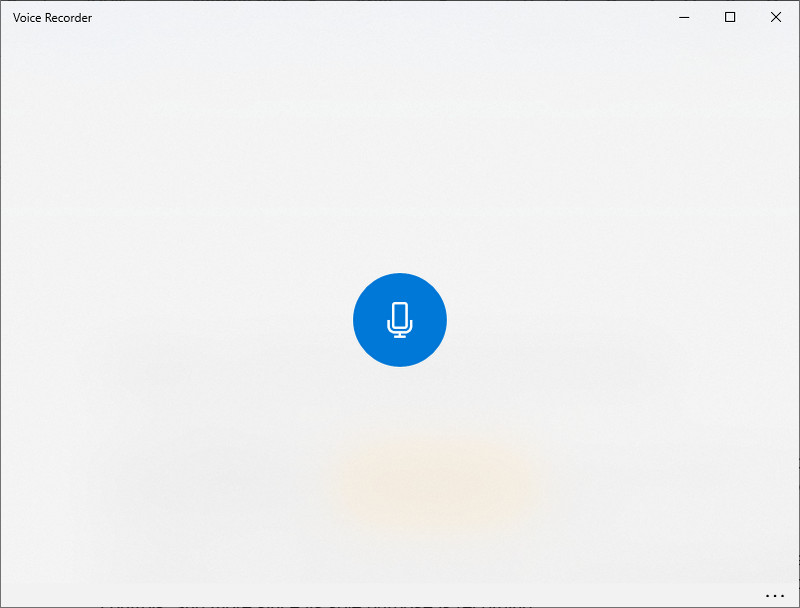
As we tried to use it, we saw that its biggest strength is its convenience, since it is already pre-installed on any Windows version. However, you do not get advanced editing, deep audio controls, and more since its sole purpose is recording.
2. Apple Voice Memos
Another built-in sound recorder that you can use on a Mac is Apple Voice Memos. Like the pre-installed one on Windows, this app has a clean and reliable way to record every speech you want to say. It works perfectly for voice notes, reminders, and casual recording needs because its interface is simple, and the workflow for recording can be done smoothly.
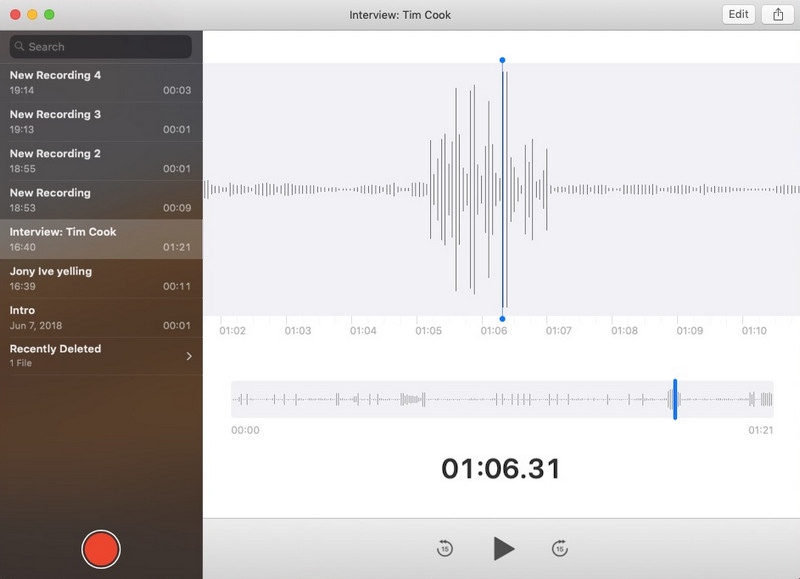
One of its great advantages is that you can access the recording as long as it is within the Apple ecosystem, and it has low friction, which fixes the issue of audio recording delay. But it is not designed for professional use because it lacks professional production and editing, making it feel limited when you need these features the most.
3. AVAide Screen Recorder
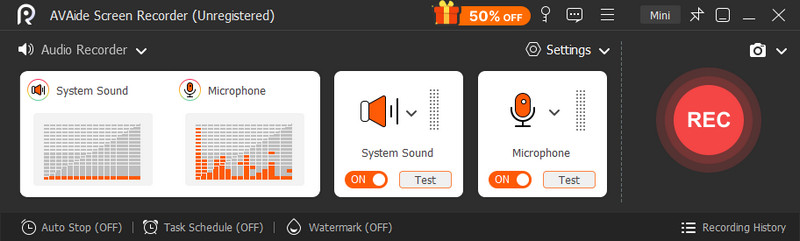
If you want to have audio recording software that satisfies your needs in recording while maintaining the advanced editing features, then the AVAide Screen Recorder is the choice. This app offers a way to record with screen activity, making it a perfect fit for tutorials, demonstrations, and content creation. The tool offers a rich-featured workflow rather than a built-in recorder, which serves the casual and professional clients.

FREE DOWNLOAD For Windows 7 or later
 Secure Download
FREE DOWNLOAD For Mac OS X 10.13 or later
Secure DownloadFurthermore, you can activate noise cancellation and adjust its perimeters on an audio file before recording so that you can get the best output quality ever. You can get it now on your Windows or Mac for free once you click the download button below.
Category 2: Best Free Audio Recording Software
1. Audacity (The Gold Standard of Free)
Known for being the "gold" standard of free Windows sound recorders because of its rich set of tools without a paywall, Audacity is surely a top contender. If you want an audio recorder that handles voice capture, cleanup, and multi-tracking, this is the right tool for you to pick. It works well as a recorder for computers, but with the addition of more controls, which is why it is used for podcasting.
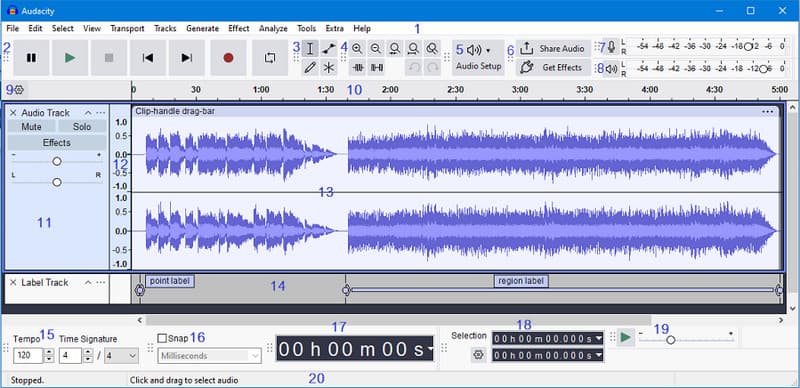
As we see, its biggest advantage is its power, since it combines recording, editing, and processing into one free package. Thus, its main drawback is that its interface can feel less polished compared to the newer apps, like the AVAide, so new users may need some time to learn and explore its full functionality.
2. Apple GarageBand
Apple GarageBand is a free audio recording software for Mac and is commonly pre-installed on newer iOS devices. It offers a simple way into recording and light production that you might need. Plus, it is free and ideal for voice work and music ideas since it already has basic arrangement tools in one workspace.
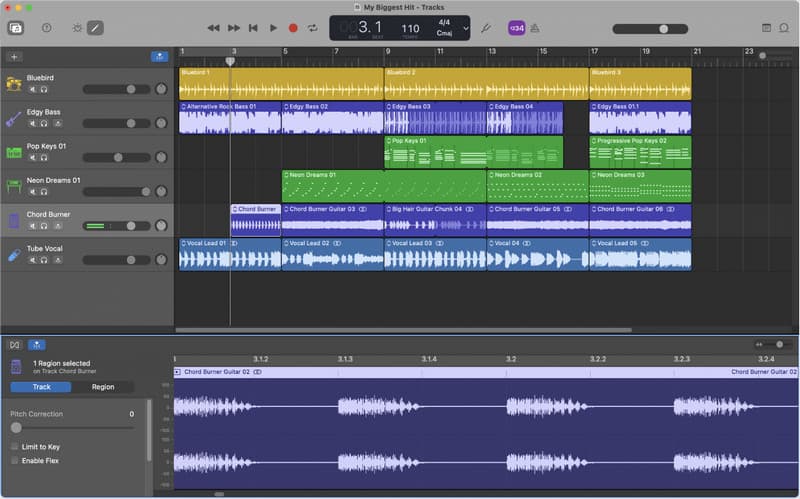
With its strength in a balance of easy-to-use and creative features, surely it is more approachable compared to Audacity. However, it is only available on iOS and Mac, and for the advanced users, it may outgrow it once their projects become more complex.
3. Ocenaudio
For a clean interface, Ocenaudio is the best and lightweight audio recorder for a computer that does not feel overwhelming to use. It is useful for quick voice recording pro, simple editing, and cleanup because it is easy and its workflow is focused on what the task is, audio recording. Just like what we said earlier, its biggest advantage is its speed and simplicity.
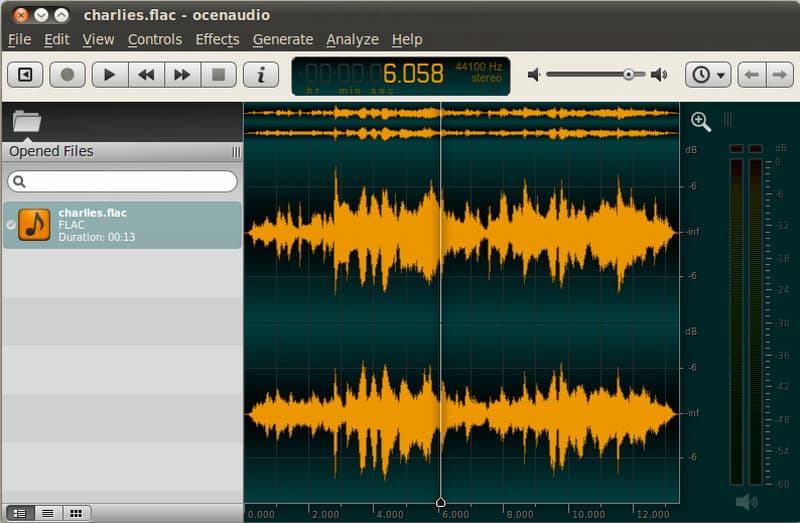
You can get an all-in recording here, make changes, and move on without the steep learning curve. Plus, you can use it to edit AIFF files. However, the features it offers are not on par with Audacity and GarageBand, so if the project you are handling is straightforward, this is a good choice.
Category 3: Best Professional DAWs (For Musicians & Engineers)
1. Avid Pro Tools
Avid Pro Tools is one of the most respected voice recorders for professional work. It has advanced editing, rich-featured mixing, and a full studio session, which is great for musicians, music engineers, and anyone who works on polishing their audio production. One of its advantages is that it is in-depth, so if you are a professional, you can do many things on your audio and precisely control your tracks, edit, and mix them.
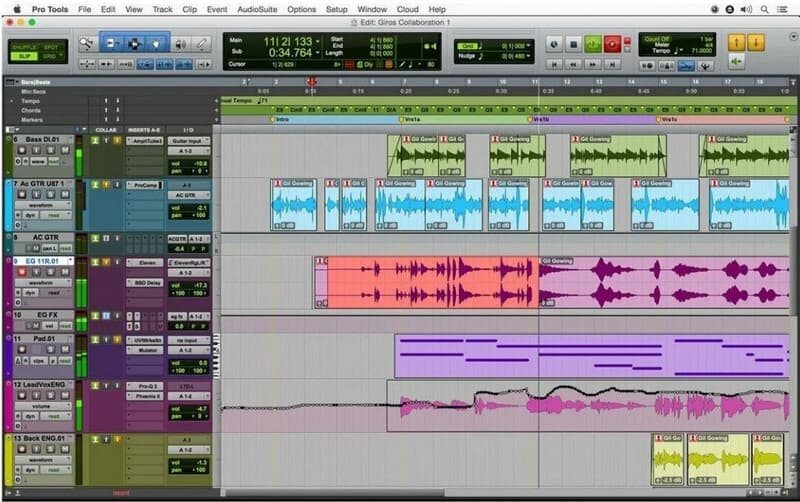
Since it is respected, professionals do use it, which is why it is recognized well in professional settings, which adds credibility. But its downside is that it is too complex for beginners, and it is better suited for users who already understand the audio DAW workflow.
2. Apple Logic Pro
Just like the Avid, Apple Logic Pro is a powerful audio production suite for Mac users who want to have a complete recording and mixing environment in a single app. It works effectively as a voice recording program for music creation, vocals recording, editing, and production because it combines smart tools with a wide set of plug-ins. Additionally, it is a practical choice for users who want to have professional results without downloading additional tools to help.
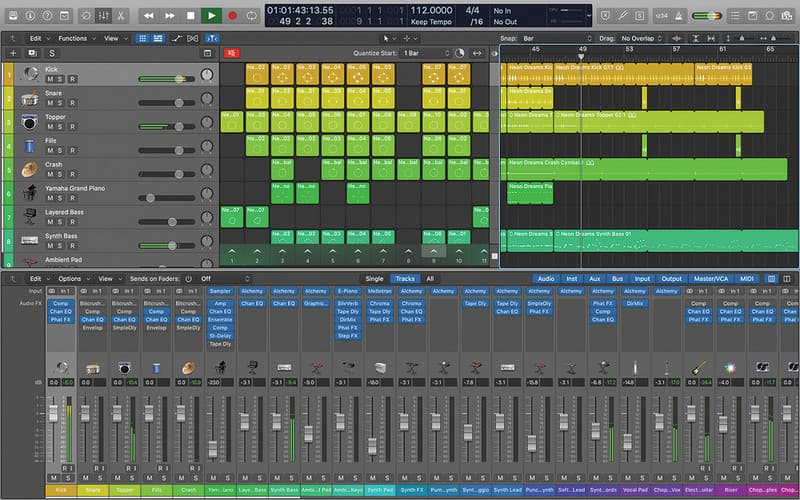
This app's advantage is that it can do a bunch of things in one program, especially if you are a composer or producer who wants to have an efficient result. The limitation is that it is only available on Apple devices, so if you are a Windows user, you might want to look for alternatives in audio recording.
Category 4: Special Mention: AI-Powered & Modern Tools
1. Riverside
For creators who want to have AI support, Riverside became a strong choice for them. Its local recording keeps the audio quality saved at best, even when the internet connection is unstable, and the addition of text-based editing brings the cleanup faster than traditional timeline editing, which you can get from the previous options we have in here.
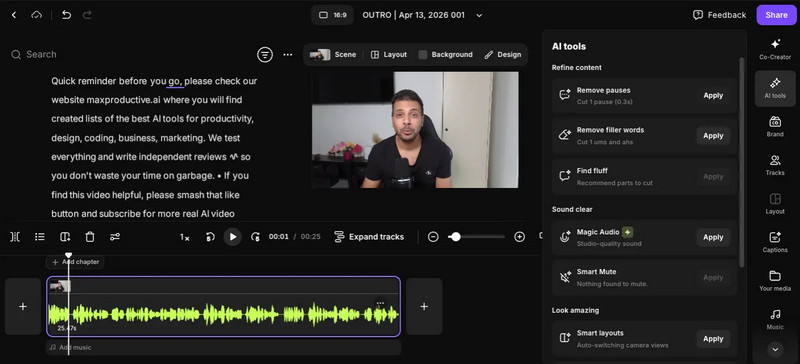
The AI makes everything faster, starting from removing filler words, generating transcripts, and splitting long recordings into clips. However, it is more focused on creating or recording podcasts and video production rather than a simple voice recording; casual users may find it more absurd than what they need.
2. Zencastr
Zencastr is a practical AI voice recorder option that works well for remote interviews and podcast sessions where backup and reliability matter. It offers separate track recording for the participants, resulting in better audio quality and greater flexibility during post-production.
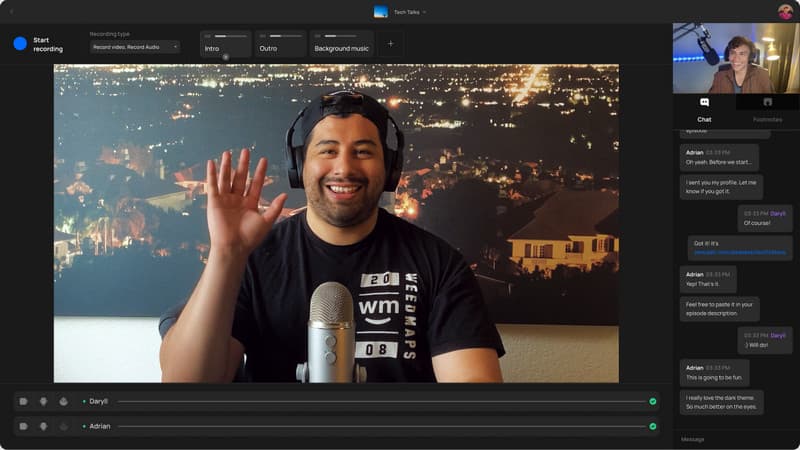
The automatic backup is a helpful safety net, and the editing functions help after the session to improve the recordings. However, its benefit is that it is great for conversation recordings, as opposed to voice recording, so users who just want a basic voice recorder don't have to use all of its bells and whistles.
Troubleshooting Common Audio Recording Issues
1. Background Noise
One of the common problems in any recording situation is unavoidable at times. The track can bleed through due to fans, traffic, keyboard, echoing, etc., which makes speech harder to understand. Using an online voice recorder, a quiet room, a closer mic position, and a test recording before it begins can help to minimize the issue quickly. So, if you want to remove background noise from a video, then you need a dedicated tool to denoise it for you.
2. Low Audio Levels
If the audio level is not high enough or the recording is too soft, listeners will need to increase the volume, and as a result, they may be able to hear hissing or background noise. This is commonly caused by incorrect input source or gain settings. If you can't see if it's level before recording, it doesn't.
3. Clipping and Distortion
When the input is too loud, and the sound becomes harsh or cracked, this happens. It is another common thing that happens when the mic is placed too close or the gain is pushed to its maximum limit or too high. Keeping an eye on the meter and leaving a headroom for adjustment helps prevent it.
4. Echo and Reverb
Hard walls, empty rooms, and large spaces can make the voice recordings sound distant or muddy. It is common when using a voice recorder without proper room control. Soft surface, curtains, and a smaller recording space can improve the clarity of your recording.
5. Mic Placement Issues
It is a problem if you can not get the microphone to sit the right way; it can sound thin, muffled, or too boomy, depending on where it ends up. If it is too far, the noise from the room will be added to it; if it is too close, it can trigger pops and distortion. In the recording, maintaining a consistent distance can make a difference.
6. Device or Browser Input Problems
In some cases, it could be the problem of the recording tool or software, but it might be the microphone that is incompatible or not allowed. This happens commonly when you are using a website for voice recording. Most of the time, checking system permissions and ensuring the mic is active is enough.
What makes an audio recording software fit your needs is how well it matches your purpose, skill level, and workflow. But the most advanced is not necessarily the best, and it's the one that provides you with the clarity you want, controls that are easy to use, and features that you actually use. If you just need to record your voice notes, the built-in tool might suffice, but if you want to record with more powerful editing features, more control, or a high-quality output, a more complete recorder is worth it.
ABOUT THE AUTHOR

Capture the best moment with AVAide Screen Recorder. Screencast, customize, and share in seconds.