


A video stabilizer can take those shaky recordings and make them smoother, a lot more watchable, by undoing unwanted motion. This review kind of walks through mobile apps, desktop software, and web-based tools so you can improve footage quality across different devices and editing styles.
Part 1. What Is Video Stabilization?
Video stabilization helps reduce camera wobble, turning the clips into something more polished. When you are filming with your hands, walking around, or the device gets those tiny vibrations, the result can look jumpy. Stabilization tries to fix it by keeping the main subject calmer and the movement feeling more natural, less all over the place.
Plenty of cameras, smartphones, drones, and editing programs already offer built-in stabilization. Sometimes you can use it while recording, other times it is applied later using video editing software.
How Video Stabilization Works
Video stabilization looks at frame-to-frame movement, spots the stuff you did not ask for, and then corrects it. The software option tracks reference points, then shifts, rotates, or slightly crops the frames so the camera shake looks smoothed out.
Hardware stabilization happens during recording. It relies on sensors or mechanical parts to dampen movement before the final footage is saved. Some devices combine hardware plus software stabilization, which can lead to even steadier results in the end, you know, less jitter overall.
Hardware vs. Software Stabilization
| Feature | Hardware Stabilization | Software Stabilization |
| How It Works | Uses physical components to reduce shake during recording. | Uses digital processing to smooth shaky footage after recording. |
| When Applied | Works while capturing the video. | Applied during editing or playback. |
| Technology Used | OIS, IBIS, and camera gimbals. | Motion tracking and AI-based correction. |
| Video Quality | Maintains original quality with minimal cropping. | May crop frames to stabilize movement. |
| Best For | Live recording, action shots, and professional videos. | Fixing existing shaky clips quickly. |
| Main Limitation | Requires specialized hardware. | Can cause slight distortion with heavy correction. |
Part 2. Best Video Stabilizer Apps for iPhone & Android
1. CapCut
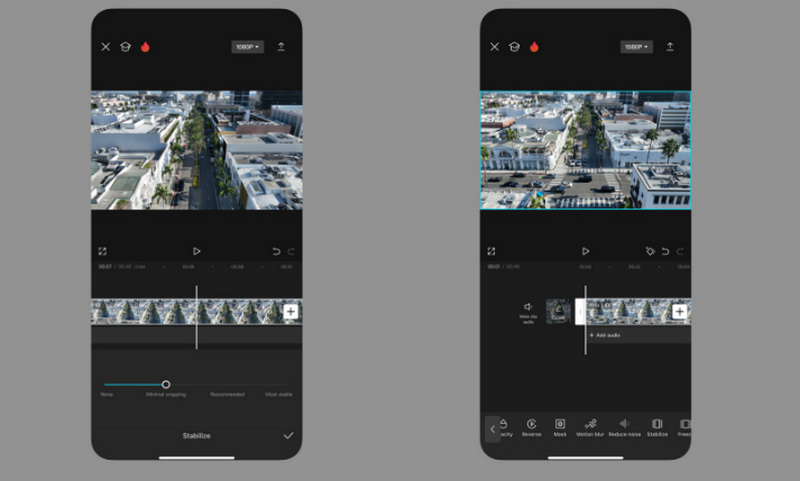
CapCut is a popular mobile video editor that basically merges automatic stabilization with a whole bunch of creative tools. The stabilization part is made to cut down on that handheld shake, but still keeps things looking smooth and sort of natural. So it works well for social media creators who need a quick upgrade, without going through complicated steps.
- Pros
- Easy-to-use stabilization tool.
- Also includes filters, effects, and regular editing options.
- Runs on both iPhone and Android.
- Cons
- Manual stabilization controls are kind of limited.
- Some of the more advanced features require a subscription.
2. PowerDirector
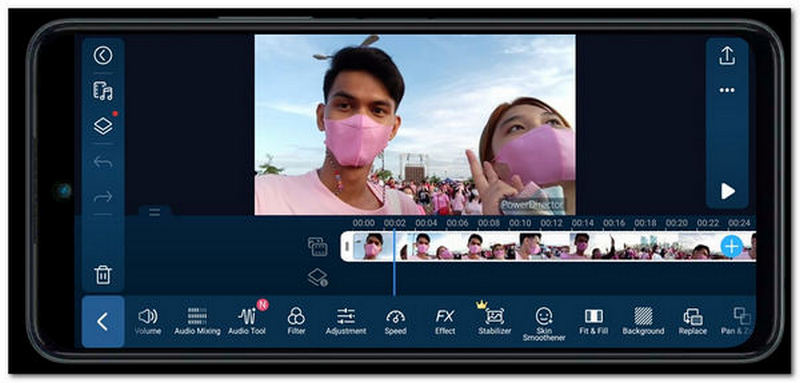
PowerDirector is a more feature-heavy video editing app, and it comes with solid stabilization plus editing options that feel more pro-like. Compared with basic editors, it gives more control, so it is good for people who want to tame shaky footage, but also tweak colors, add effects, set up transitions, and improve overall video quality.
- Pros
- Stabilization performs strongly.
- Has advanced editing tools.
- Supports high-quality video projects.
- Cons
- Some premium features are behind a paywall.
- It can feel overwhelming for brand-new users.
3. VN Video Editor
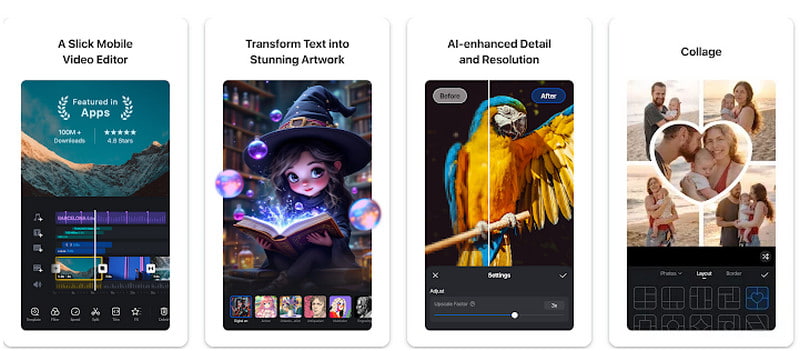
VN Video Editor is lightweight but still pretty capable; it gives smooth stabilization and the essentials you need, and it does not add a watermark either. The interface is fairly simple, so if you are aiming for cleaner handheld recordings while staying flexible with your edits, it tends to fit.
- Pros
- Free to use with no watermark.
- Simple, clean interface.
- Available on iPhone and Android.
- Cons
- Not as effective when camera shake gets really extreme.
- It offers fewer professional tools than the most advanced editors.
Part 3. Best Video Stabilization Software for PC & Mac
1. AVAide Video Converter
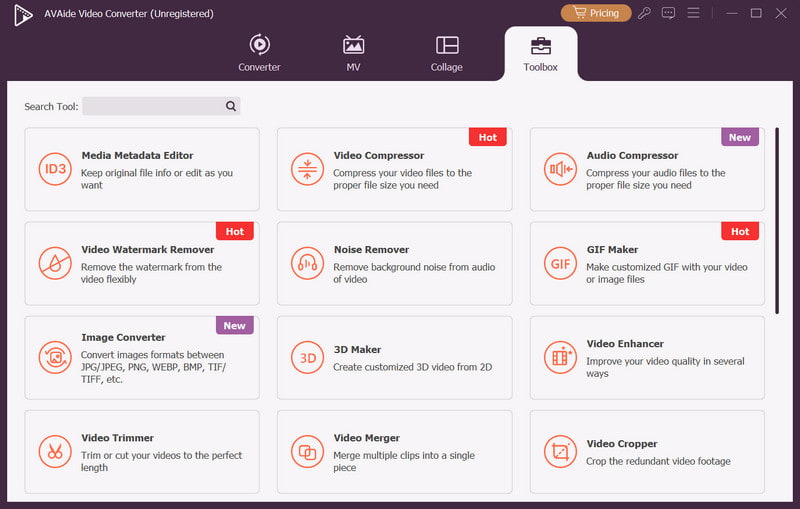
AVAide Video Converter is basically an all-in-one video enhancement and conversion tool. It helps with shaky footage and also gives a bunch of editing features. It supports over 1,000 formats, and it can output up to 8 K. Plus, there are video enhancement tools that help refine the look, reduce grain, and make things feel steadier.
Why We Recommend It: AVAide Video Converter feels like a combo plate because it bundles enhancement, conversion, compression, and editing together. With GPU acceleration and up to 8K output support, processing tends to be quicker, and the final output stays sharp enough for creators who care about detail, so it is a complete solution rather than only a fix-and-go type app.

FREE DOWNLOAD For Windows 7 or later
 Secure Download
FREE DOWNLOAD For Mac OS X 10.13 or later
Secure Download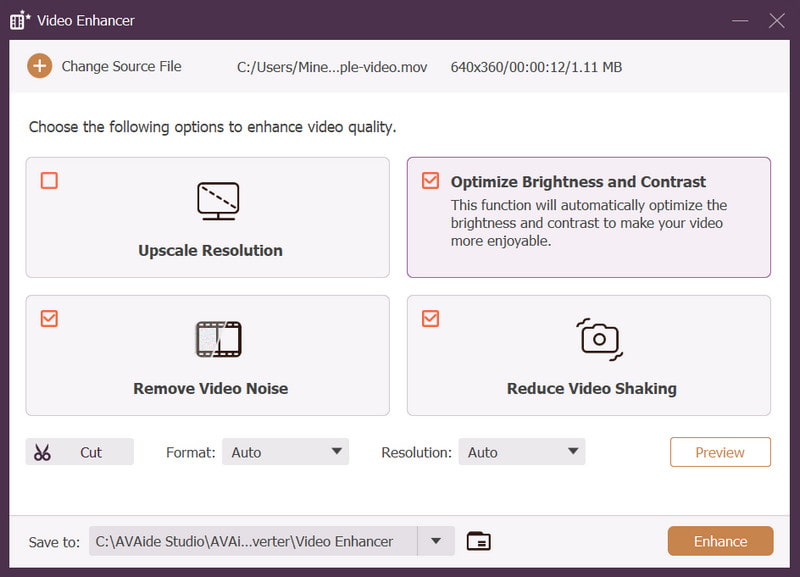
- Pros
- Supports 1,000+ video and audio formats.
- Includes AI enhancement and video editing tools.
- Offers 4K, 5K, and 8K output options.
- Delivers fast GPU-accelerated processing.
- Helps maintain high quality during conversion.
- Cons
- It can include more features than you actually need for simple stabilization tasks.
2. Adobe Premiere Pro
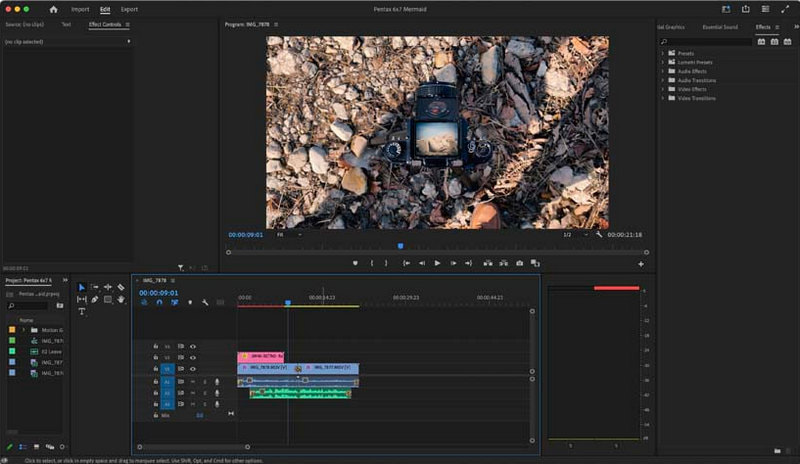
Adobe Premiere Pro is a professional video editing program that is used a lot for filmmaking, content creation, and commercial projects. It has a Warp Stabilizer feature that takes a look at camera movement, then automatically smooths shaky footage while still letting you tweak stabilization strength and framing, so you’re not just stuck with the first result.
- Pros
- Professional-grade stabilization tools.
- Lets you control video adjustments more precisely.
- Supports advanced editing workflows.
- Cons
- You need a subscription plan.
- Beginners may find the learning curve pretty steep.
3. DaVinci Resolve
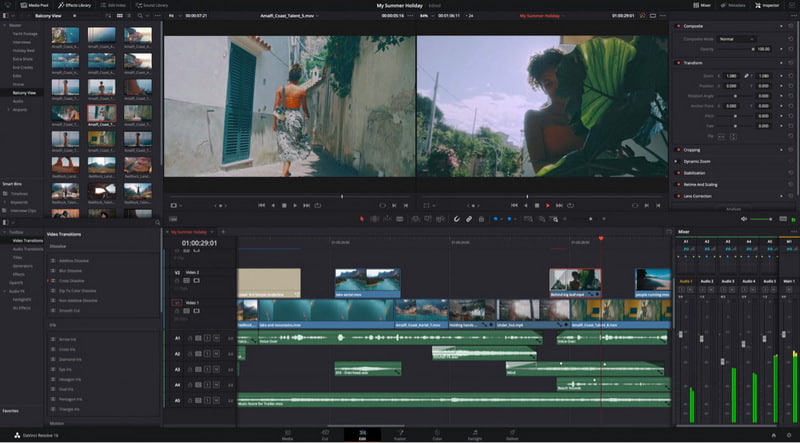
DaVinci Resolve is a strong editing software, most people know it for color grading, visual effects, and overall professional video production. Its stabilization options can remove unwanted movement while keeping the footage from looking too wobbly, so the result stays natural. That makes it a good match for creators who want higher-end output.
- Pros
- Advanced stabilization plus editing features.
- A powerful free version is available.
- Excellent color correction tools.
- A capable computer supports smooth video speed controller performance.
- Cons
- The interface can feel complicated for new users.
Part 4. Best Online Video Stabilizers
1. VEED.IO
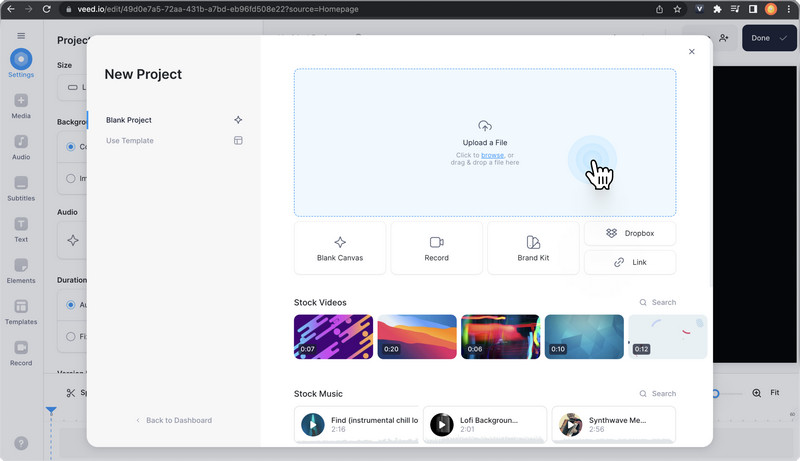
VEED.IO is kinda like a web-based video editor, but it comes with an automatic stabilization tool that helps reduce that annoying camera wobble. You can upload your clips, hit stabilization, and then do more tweaks on top, like trimming, little filters, subtitles, and even effects.
- Pros
- Works straight in your browser.
- Has extra editing features besides stabilization.
- Pretty easy stabilization workflow, good for beginners.
- Cons
- The free version is a bit restricted.
- If your files are large, processing can take longer, sometimes a lot longer.
2. Clideo Video Stabilizer
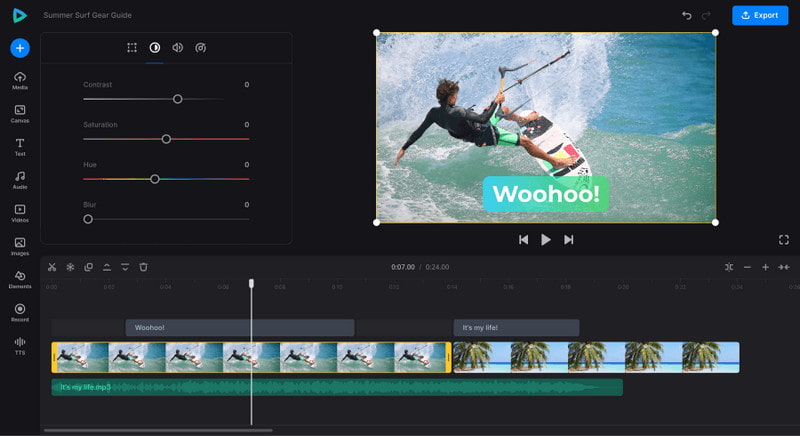
Clideo Video Stabilizer is another online option for quickly fixing shaky videos, without having to get tangled in complicated controls. The whole interface feels pretty direct: you upload a clip, it stabilizes automatically, then you download and export smoother footage in just a few steps, maybe not perfect, but usually close enough.
- Pros
- Simple interface that is easy to follow.
- You do not have to install anything.
- Supports common video formats.
- Cons
- There is not much for advanced tuning or extra adjustment.
- Some export choices can nudge you toward a paid plan.
Part 5. Comparison & How to Choose
Picking the best video stabilizer depends on stabilization quality, how much editing flexibility you get, output video quality, and what your whole workflow looks like. The comparison below lists the main capabilities that matter most when you want to improve shaky footage, without turning the process into a whole mess.
| Feature | AVAide Video Converter | Adobe Premiere Pro | DaVinci Resolve | PowerDirector | CapCut | VN Video Editor | VEED.IO | Clideo |
| Video Stabilization | ✓ | ✓ | ✓ | ✓ | ✓ | ✓ | ✓ | ✓ |
| AI Video Enhancement | ✓ | ✓ | ✓ | ✓ | ✓ | ✗ | ✗ | ✗ |
| 4K/8K Video Support | ✓ | ✗ | ✗ | ✗ | ✗ | ✗ | ✗ | ✗ |
| GPU Acceleration | ✓ | ✓ | ✓ | ✓ | ✗ | ✗ | ✗ | ✗ |
| All-in-One Editing Tools | ✓ | ✓ | ✓ | ✓ | ✓ | ✓ | ✓ | ✗ |
How to Choose the Right Video Stabilizer
Choosing the correct stabilizer is kinda not just one simple decision.
- Best overall choice: AVAide Video Converter is a strong pick if you want more than simple stabilization. It does video enhancement, offers 1,000+ format support, supports 4K/8K output, uses GPU acceleration, and it even comes with editing tools.
- Best for professional editors: Adobe Premiere Pro and DaVinci Resolve fit well for filmmakers who need deeper stabilization control, plus those extra post-production features that usually matter in real projects.
- Best for mobile creators: CapCut, VN Video Editor, and PowerDirector make it easier to stabilize clips for social media, without a huge setup or a long learning curve.
- Best for quick online fixes: VEED.IO and Clideo work nicely if you want basic stabilization while keeping things lightweight. You upload, stabilize, and you’re basically done, or at least close to done for most quick needs.
The best software for stabilizing video really depends on what you need to edit, what your device can handle, and what kind of output you are aiming for. Whether you are working with a phone app or a heavier desktop tool, these options can help reduce shake, improve clarity, and end up with smoother, more polished footage.
ABOUT THE AUTHOR

Your complete video toolbox that supports 350+ formats for conversion in lossless quality.


