

理解しようとしている Macで音声を録音する方法 授業の講義を録音したり、ビデオ通話を保存したり、ポッドキャストを録音したり、音声コンテンツを素早く作成したりする必要がある場合に、このような状況はよく発生します。幸いなことに、macOSには録音ツールが内蔵されており、サードパーティ製のツールを使えば、マイクや内部音声を高音質で簡単に録音できます。
方法1:QuickTime Playerを使用する
macOSユーザーなら誰もがQuickTimeをインストールしているようです。QuickTimeは直感的なインターフェース、信頼性の高いマイク録音、そして他のアプリケーションを必要としない高速なエクスポート機能を提供します。この技術は、ナレーション、講義、オンライン会議、さらには基本的なポッドキャスト録音にも役立ちます。
ステップ1QuickTime Playerは、アプリケーションフォルダから起動するか、Spotlight検索から起動してください。
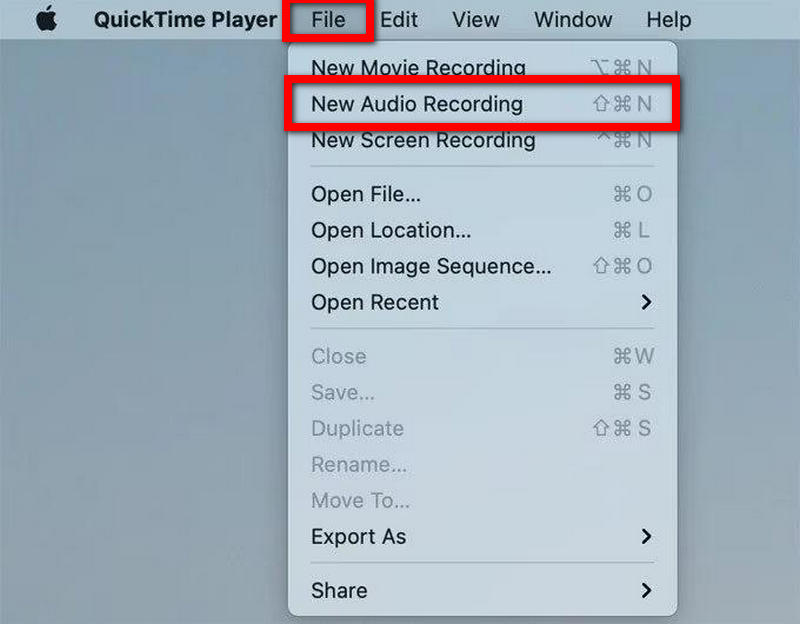
ステップ2に移動します ファイル 上部のメニューバーからメニューを選択してください。
ステップ3クリック 新しいオーディオ録音.
ステップ4横にある小さな矢印を押します 記録 使用したいマイクを指定するためのボタン。
ステップ5必要に応じて、入力音量を調整してください。
ステップ6録音を開始するには、 記録 ボタン。
ステップ7 マイクに向かって話してください。
ステップ8を押します やめる 録画を終了するには、このボタンを押してください。
ステップ9録音をMacに保存するには、 ファイル を選択します 保存する.
方法2:ボイスメモを使用する
ボイスメモは、手軽に音声を録音できるアプリです。個人的なメモ、アイデア出し、短い講義、短い音声録音などに最適です。録音されたボイスメモはiCloud経由で自動的に同期されるため、すべてのAppleデバイスで利用できます。
ステップ1Macでボイスメモを起動します。
ステップ2を押します 記録 ボタン。
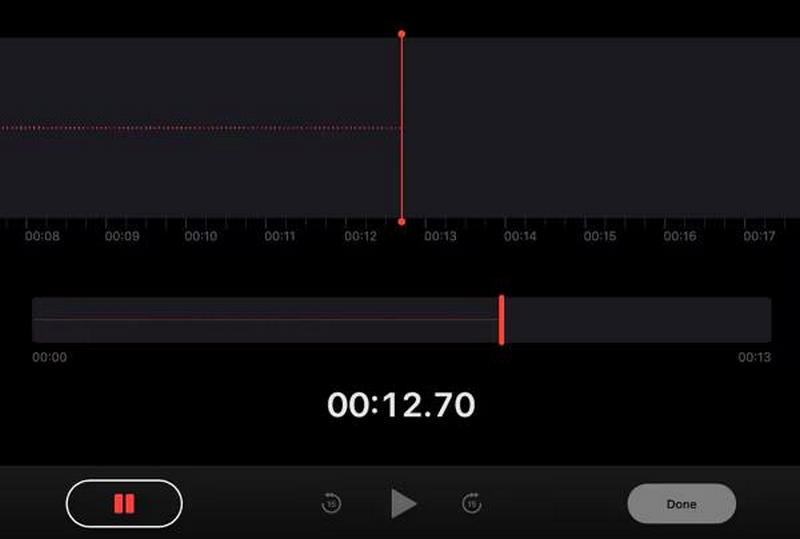
ステップ3マイクを通して話してください。
ステップ4一時的に録画を停止する必要がある場合は、 一時停止.
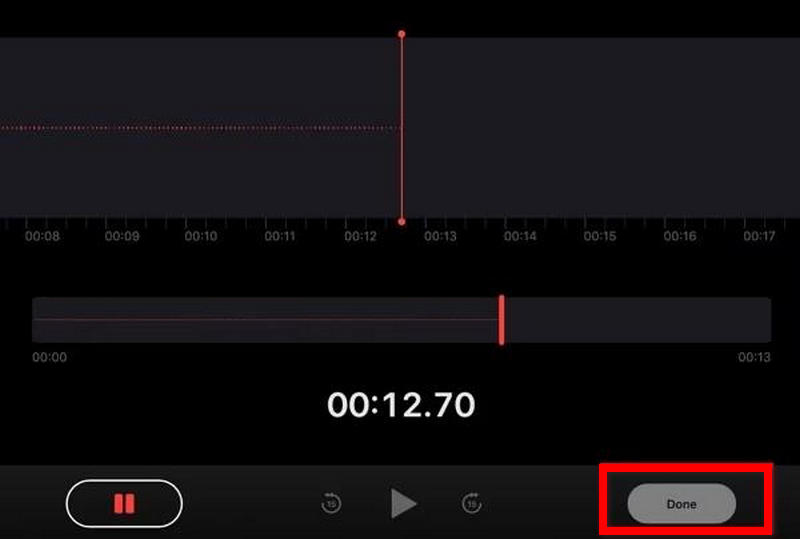
ステップ5プレス 終わり 録音を終えるために。
ステップ6録音を見つけやすくするために、 名前を変更 オプション。
ステップ7録音を共有、複製、またはエクスポートするには、ファイルを右クリックします。
macOSが内部音声録音をネイティブでサポートしていない理由
macOSは初期設定ではマイクの使用を許可していますが、内蔵機能でシステム内部の音声を録音することはできません。これには、アプリで再生されるメディア、音楽、ブラウザのサウンドなどが含まれます。macOSにこのような制限があるのは、プライバシー、著作権保護、システムセキュリティのためです。
マイク音声とは異なり、内部音声には保護されたメディアやアプリからのプライベートな通信が含まれている場合があります。そのため、Appleはユーザーが追加のソフトウェアをインストールしない限り、内部音声チャンネルへのアクセスを制限しています。
こうした問題があるため、QuickTimeのようなツールでは内部音声を録音することはできませんが、マイクを介した外部音声は録音できます。
これらの問題の例:
- 音声付きでビデオゲームのプレイを録画する。
- オンライン授業を録画する。
- オンラインで音声と動画を録画します。
- ウェブ上のオンライン動画から音声を録音する。
- コンピュータ内蔵の音声を使用して、教育ビデオを録画します。
方法3:BlackHoleとQuickTime Playerを使用する
BlackHoleは、システムオーディオを録音ソフトウェアに内部的にルーティングできる無料の仮想オーディオドライバです。このドライバをQuickTimeと併用することで、Macユーザーは内蔵オーディオと外部マイクの音声を録音できます。このドライバを使えば、オンライン会議、チュートリアル、ビデオゲーム、ウェビナー、ポッドキャスト、ブラウザの音声などを、すべて高音質でクリアな音声で録音できます。
ステップ1公式ウェブサイトからBlackHoleをMacにダウンロードしてインストールし、その後、オーディオMIDI設定を開きます。
ステップ2マルチ出力デバイスを作成し、MacのスピーカーまたはヘッドホンとBlackHoleの両方を有効にします。
ステップ3 サウンド設定で、マルチ出力デバイスをデフォルトのオーディオ出力として設定してください。
ステップ4QuickTime Playerを開き、 ファイル >> 新しいオーディオ録音、次に選択します ブラックホール マイクまたは音声ソースとして。
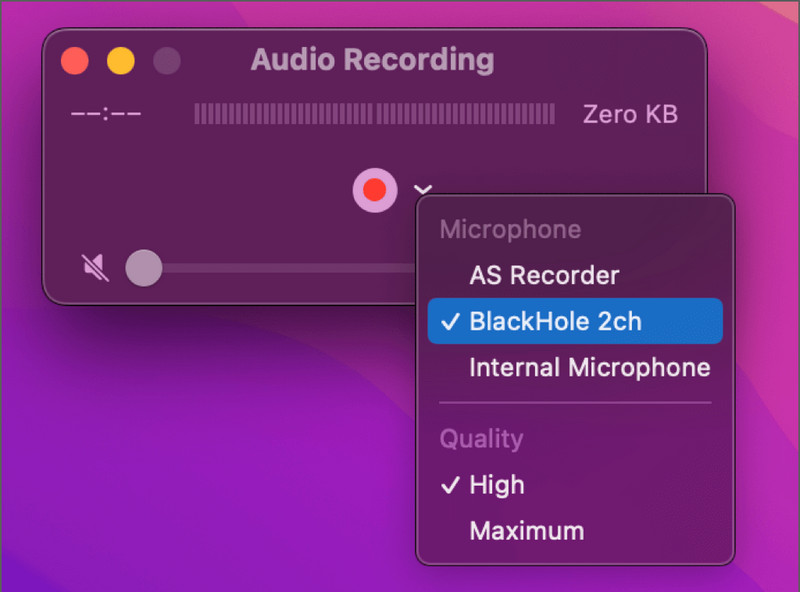
ステップ5クリック 記録 ボタンを押して、録音したい音声を再生し、終了したら停止して録音を保存します。
方法4:専用のサードパーティ製ソフトウェアを使用する
1.AVAideスクリーンレコーダー
AVAideスクリーンレコーダー AVAideは、シンプルながらパワフルな音声録音ツールを求めるMacユーザーに最適です。画面録画に加え、マイク、システムスピーカー、ウェブカメラ、そしてスマートフォンの画面からも音声を録音できます。AVAideの最大の特長の一つは、初心者から上級者まで幅広く使えるように設計されている点です。Macで音声録音が必要な方にとって、まさに理想的な選択肢と言えるでしょう。
- マイク音声とシステム音声を同時に録音します。
- 低遅延で高音質な音声録音をサポートします。
- 全画面、ウィンドウ、または指定した領域の録画が可能です。
- チュートリアルやポッドキャスト用のウェブカメラ録画機能が含まれています。
- MP3、AAC、FLAC、M4Aなど、複数のエクスポート形式に対応しています。

 安全なダウンロード
ステップ1ソフトウェアをダウンロードしてインストールする
AVAideのウェブサイトにアクセスしてソフトウェアをダウンロードしてください。画面の指示に従ってインストールを完了してください。
ステップ2オーディオレコーダーを選択
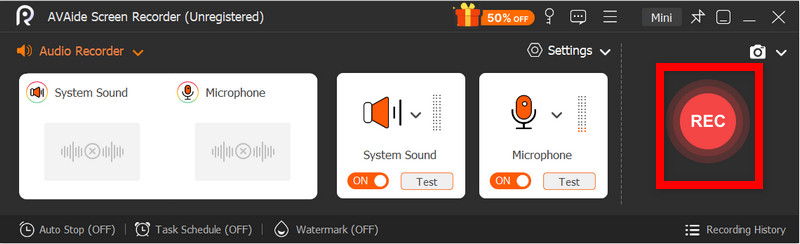
ソフトウェアを開き、メインページから選択する 録音機 音声のみを録音します。
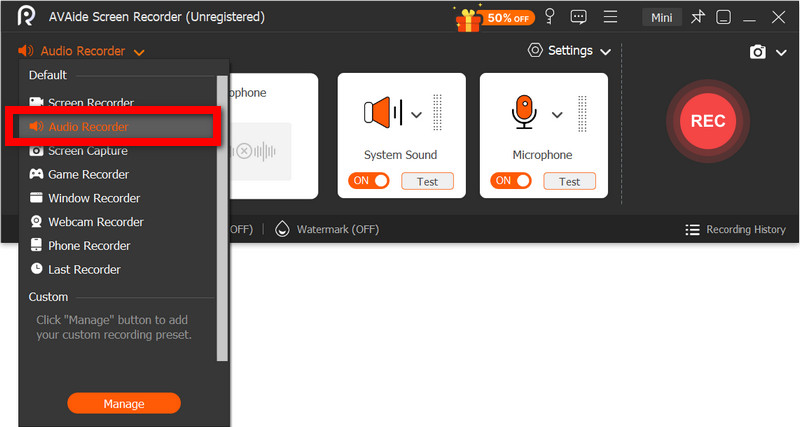
ステップ3マイクとシステムサウンドを有効にする
アクティブ化する マイクロフォン 音声をクリアに録音するオプション。 システムサウンド Macの内部音声をキャプチャします。
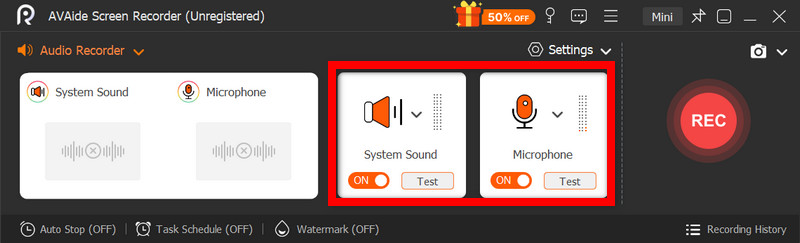
ステップ4録画設定を調整する
から 設定 メニューを開き、お好みのオーディオフォーマットと出力品質を選択してください。保存場所を指定し、マイクとシステムオーディオの音量レベルを調整してください。
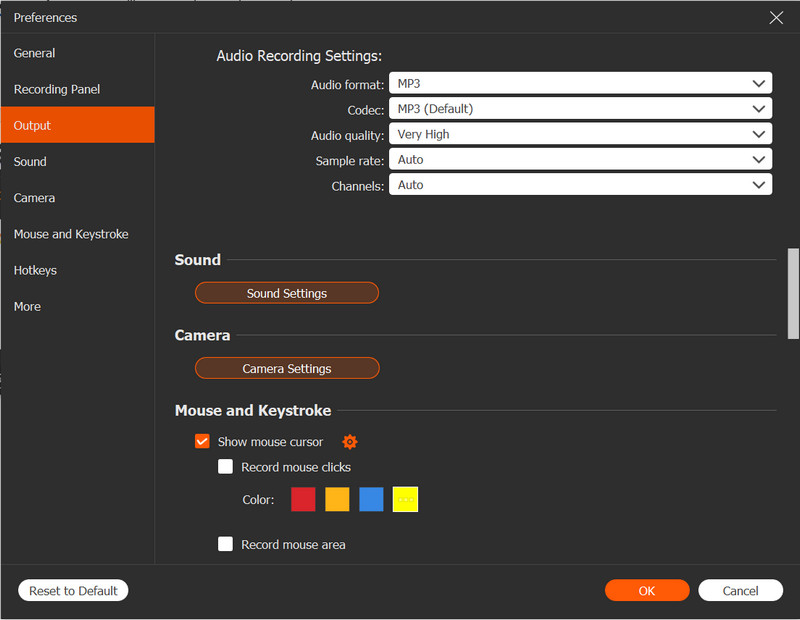
ステップ5録音開始
を選択 REC 音声録音を開始するオプションです。録音中は、一時停止、再開、メモの追加が可能です。
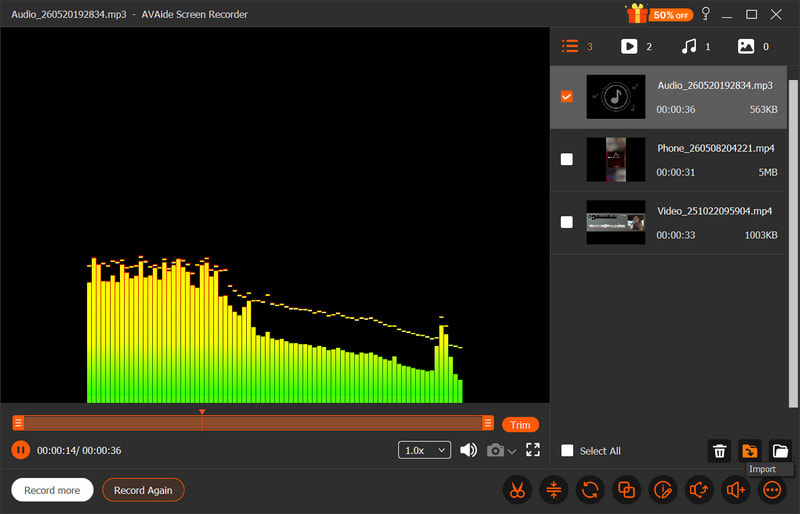
ステップ6保存してプレビューする
を選択 やめる 音声録音を終了するオプションがあります。その後、音声をトリミングして、録音した音声をMacに保存できます。
2. Audacityを使用する
Audacityは、使いやすくパワフルな無料のMac用オーディオ録音・編集ソフトです。シンプルなワークフローと、ノイズリダクション、トリミング、オーディオエンハンスメントといったプロフェッショナルな機能を備えているため、ポッドキャストや音楽制作プロジェクトにおいて、他のソフトよりも好まれることが多いです。これらの豊富な機能を備えながらも、Audacityはシンプルなユーザーインターフェースを採用しているため、初心者にも最適です。
ステップ1AudacityをダウンロードしてMacにインストールしてください。インストールが完了したらアプリを開いてください。
ステップ2音声入力を選択してください。入力先をオーディオ機器に設定し、キャプチャレベルを調整してください。
ステップ3録音準備ができたら、 記録 ボタンを押して、マイクに向かって話し始めてください。
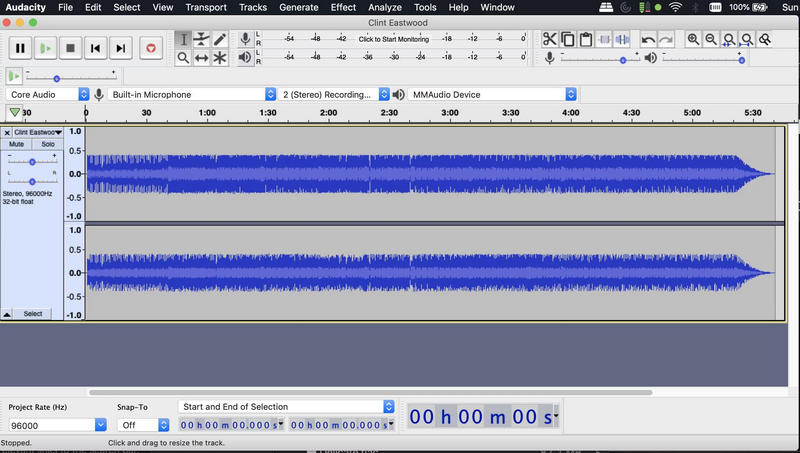
ステップ4録音が終わったら、 やめる ボタン。
ステップ5録音に満足したら、エクスポートしたいプロジェクトを選択します。 ファイル >> 輸出.選択する MP3, WAVまたは、別の音声エクスポートオプション。
3. GarageBandの使用
Audacityの優れた代替品として、Apple独自のアプリで全てのMacにプリインストールされているGarageBandがあります。GarageBandにはAudacityと同じ機能がすべて備わっているだけでなく、音楽ツールやオーディオエフェクトなど、さらに多くの機能があります。GarageBandは音楽制作にさらに適しており、広く使用されています。 ポッドキャストを録音する セッション、ナレーション、そしてプロフェッショナルなサウンドコントロールによる高品質なオーディオプロジェクト。
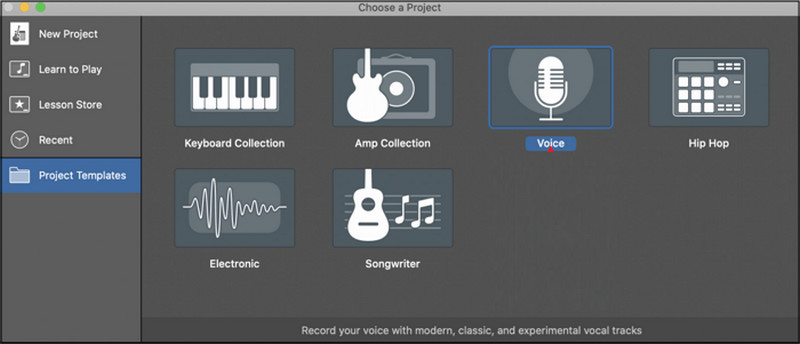
ステップ1GarageBandを起動し、「新規プロジェクト」を選択して、次のオプションを選択します。 声.
ステップ2録音に使用する入力を選択してください。必要に応じて、録音中に自分の声を聞くために音声モニタリングを有効にしてください。
ステップ3打つ 記録 そしてセッションを開始してください。
ステップ4録音が終わったら、 やめる ボタン。GarageBandの編集機能と音質調整機能を使って、録音を洗練させましょう。
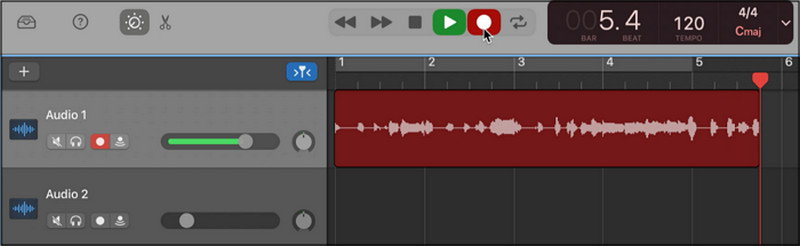
ステップ5完成したオーディオプロジェクトを、希望する品質とフォーマットでMacにエクスポートしてください。
ボーナスヒント
1. MacでYouTubeから音声を録音する方法
MacでYouTubeの音声、オンライン講座、ウェビナー、ポッドキャストや音楽の再生を録画するには、画面録画とライブストリームキャプチャに対応した無料ソフトウェアであるOBS Studioを使用できます。OBS Studioはシステムサウンドを高音質で録音できるため、非常に便利な選択肢です。
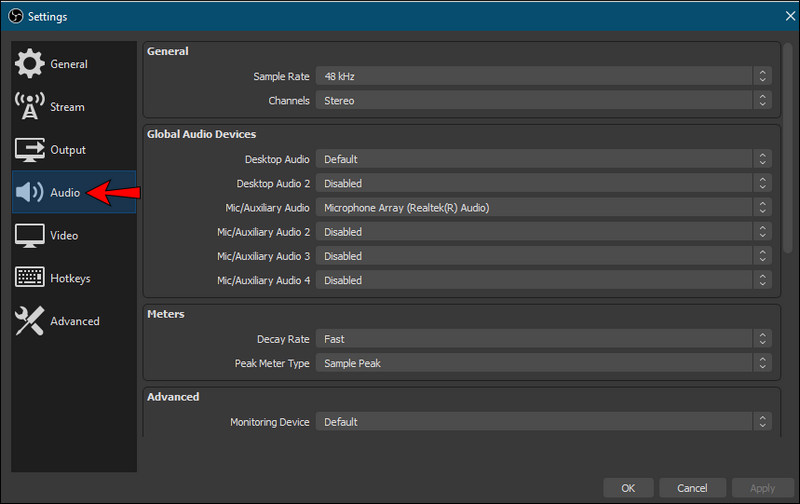
ステップ1MacにOBS Studioをダウンロードしてインストールし、インストールが完了したらソフトウェアを開いてください。
ステップ2新しいソースを作成します オーディオ オプションを選択し、システムオーディオデバイスまたは仮想オーディオドライバーを選択してください。
ステップ3ブラウザでYouTubeを開き、録画したい動画または音声を読み込んでください。
ステップ4ヒット 録音開始 ボタンを押すと、YouTubeの動画/音声が通常通り再生されます。
ステップ5録音したい音声が終わるまで待ってから、 やめる ボタンを押して音声ファイルを選択してください。ファイルはMacに保存されました。
2. 外部マイクを使ってMacで音声を録音する方法
ほとんどの場合、外部マイクからの音声は、Mac の内蔵マイクと比較して音質が優れています。USB マイクは Mac に直接接続できます。ただし、XLR マイクは、より良い音質と低ノイズのためにオーディオ インターフェースが必要になる場合があります。 Mac向けの最高のスクリーンレコーダー 音声と映像のタスクを組み合わせる際に、より鮮明な録音を実現するのにも役立ちます。
ステップ1選択したマイクをMacに接続し、 システム設定、へ 音そして、先ほど接続したマイクを入力デバイスとして設定します。
ステップ2マイクの入力レベルを調整し、音声をテストして、あなたの声がはっきりと検出されていることを確認してください。
ステップ3AVAide Screen Recorderなど、お好みの録画ソフトを開いてください。
ステップ4ソフトウェアの設定画面で外部マイクを選択し、音声またはオーディオセッションの録音を開始してください。
ステップ5録音を停止し、音質を確認してから、最終的な音声ファイルをMacに保存またはエクスポートしてください。
Macの音声を録音する QuickTimeやボイスメモなどの内蔵ツール、あるいはプロ品質の録音を実現する高度なソフトウェアを使えば、簡単に録音できます。社内音声、ポッドキャストのナレーション、オンライン講義の録音など、用途を問わず、これらの方法を使えばMacでクリアな音声を効率的に録音できます。
著者について

オーディオ、オンライン会議、ゲームプレイビデオ、音楽、Webカメラなどで画面アクティビティをキャプチャします。