

Sto cercando di capire come registrare l'audio su un Mac Capita spesso quando si ha bisogno di registrare una lezione, salvare una videochiamata, registrare un podcast o creare rapidamente contenuti vocali. Per fortuna, macOS include strumenti di registrazione integrati e diverse opzioni di terze parti possono aiutare a registrare facilmente audio di alta qualità sia dal microfono che dalla parte interna del computer.
Metodo 1: Utilizzo di QuickTime Player
Sembra che tutti abbiano QuickTime installato su macOS. QuickTime offre un'interfaccia intuitiva, registrazioni audio affidabili e un'esportazione rapida, senza bisogno di altre applicazioni. Questa tecnica è utile per voci fuori campo, lezioni, riunioni online e persino per registrazioni di podcast di base.
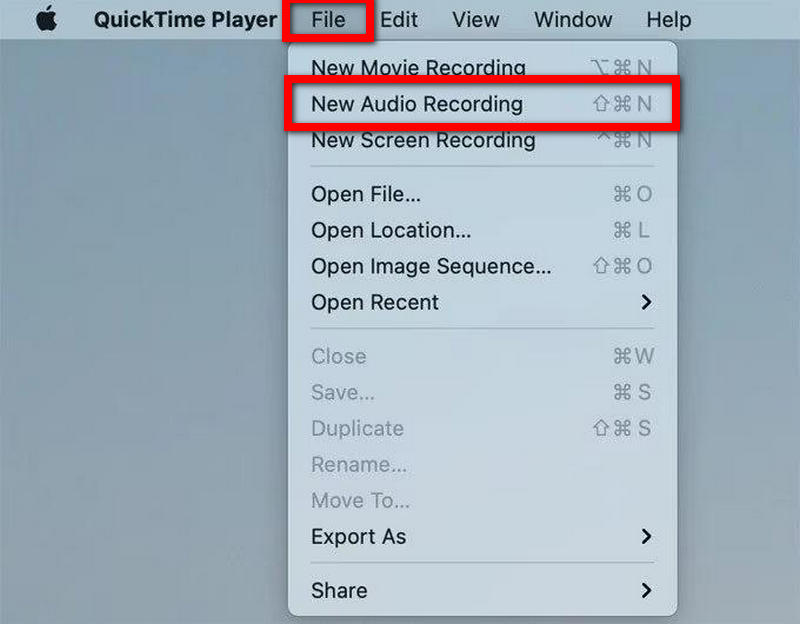
Passo 1Avvia QuickTime Player dalla cartella Applicazioni oppure tramite la ricerca Spotlight.
Passo 2Vai al File menu dalla barra dei menu in alto.
Passaggio 3Clic Nuova registrazione audio.
Passaggio 4Premere la piccola freccia accanto al Disco pulsante per specificare il microfono che si desidera utilizzare.
Passaggio 5Se necessario, regolare il volume di ingresso.
Passaggio 6Per iniziare la registrazione, premere il Disco pulsante.
Passaggio 7 Parla nel microfono.
Passaggio 8premi il Fermare pulsante per terminare la registrazione.
Passo 9Per salvare la registrazione sul tuo Mac, vai a File e seleziona Salva.
Metodo 2: Utilizzo delle note vocali
Memo Vocali è pensata per registrazioni vocali rapide. Questa applicazione è ideale per creare promemoria personali, annotare idee, registrare brevi lezioni e brevi registrazioni audio. I memo vocali registrati vengono sincronizzati automaticamente tramite iCloud, quindi le registrazioni sono disponibili su tutti i dispositivi Apple.
Passo 1Avvia Memo Vocali sul tuo Mac.
Passo 2premi il Disco pulsante.
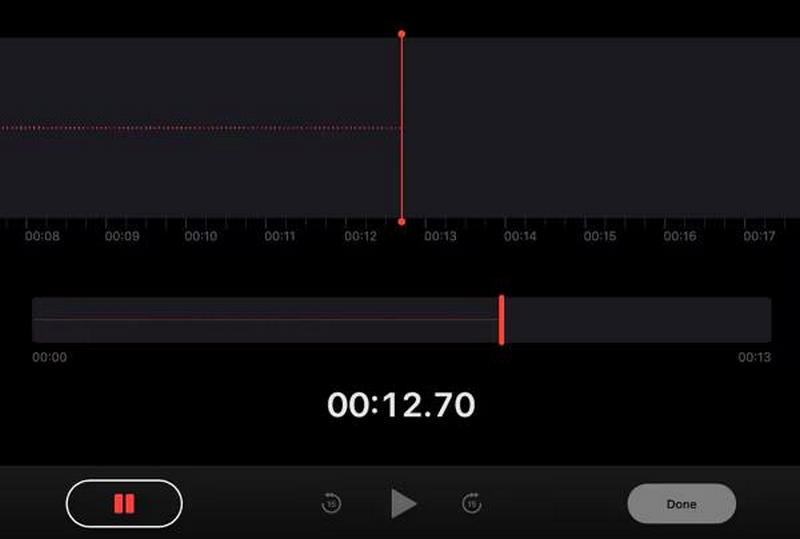
Passaggio 3Parla attraverso il microfono.
Passaggio 4Se devi interrompere la registrazione per un momento, seleziona Pausa.
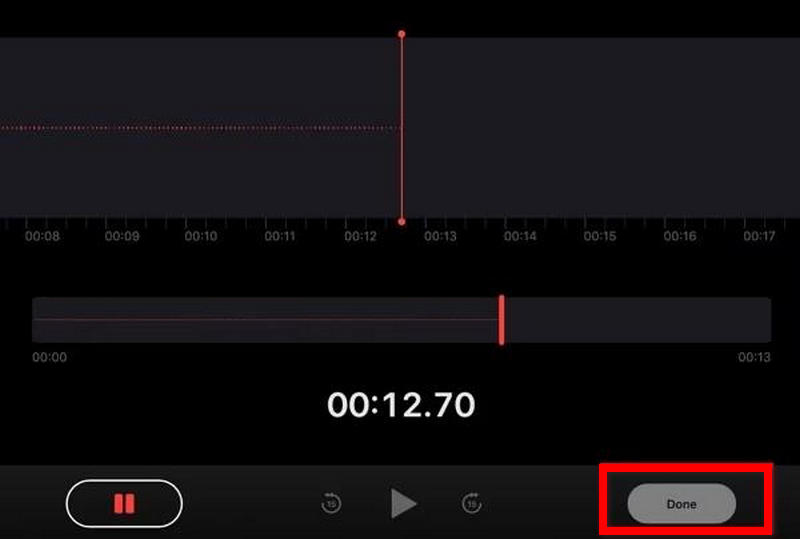
Passaggio 5Premere Fatto per terminare la registrazione.
Passaggio 6Per facilitare la ricerca della registrazione, selezionare la Rinominare opzione.
Passaggio 7Per condividere, duplicare o esportare la registrazione, fare clic con il pulsante destro del mouse sul file.
Perché macOS non supporta nativamente la registrazione audio interna
Di default, macOS consente l'utilizzo del microfono. Tuttavia, non è possibile registrare l'audio interno del sistema con questa funzionalità integrata. Ciò include i contenuti multimediali riprodotti nelle app, la musica e i suoni del browser. La privacy, la protezione del copyright e la sicurezza del sistema sono i motivi per cui macOS impone queste restrizioni.
A differenza dell'audio del microfono, l'audio interno può contenere contenuti multimediali protetti o comunicazioni private provenienti dalle app. Per questo motivo, Apple limita l'accesso ai canali audio interni a meno che gli utenti non installino software aggiuntivo.
A causa di questi problemi, programmi come QuickTime non possono registrare l'audio interno, ma è possibile registrare l'audio esterno tramite un microfono.
Esempi di queste problematiche:
- Registra le tue sessioni di gioco con l'audio.
- Registra una lezione online.
- Registra audio e video online.
- Registra l'audio da un video online sul web.
- Registra video didattici utilizzando l'audio interno del computer.
Metodo 3: Utilizzo di BlackHole + QuickTime Player
BlackHole è un driver audio virtuale gratuito che consente di instradare internamente l'audio di sistema verso un software di registrazione. Se utilizzato insieme a QuickTime, questo driver permette agli utenti Mac di registrare sia l'audio interno che quello proveniente da microfoni esterni. In questo modo è possibile registrare riunioni online, tutorial, videogiochi, webinar, podcast e audio del browser, il tutto con un audio nitido e di alta qualità.
Passo 1Scarica e installa BlackHole sul tuo Mac dal sito web ufficiale, quindi apri Configurazione Audio MIDI.
Passo 2Crea un dispositivo multi-output e abilita sia gli altoparlanti o le cuffie del tuo Mac che BlackHole.
Passaggio 3 Nelle impostazioni audio, imposta il dispositivo multi-uscita come uscita audio predefinita.
Passaggio 4Apri QuickTime Player, seleziona File > Nuova registrazione audio, quindi scegli Buco nero come microfono o sorgente audio.
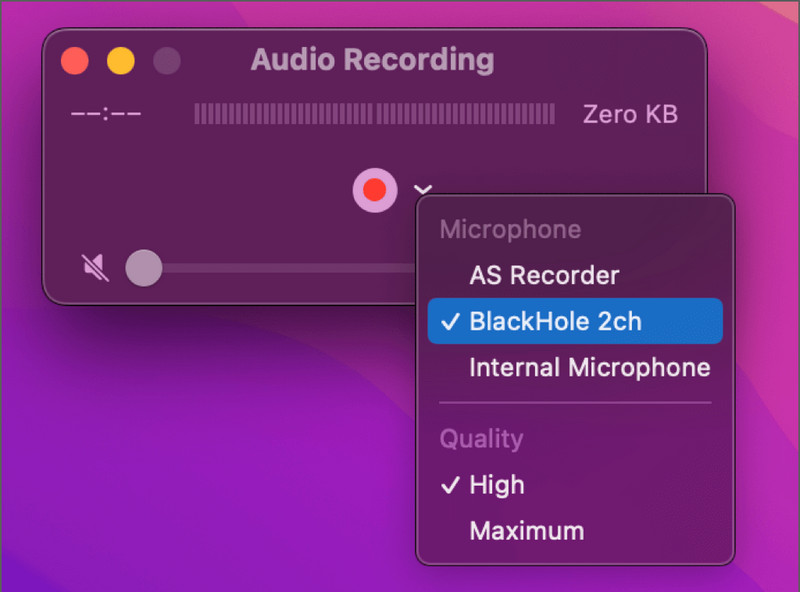
Passaggio 5Clicca il Disco Fai clic sul pulsante, riproduci l'audio che desideri registrare, quindi interrompi e salva la registrazione una volta terminata.
Metodo 4: Utilizzo di software di terze parti dedicato
1. DISPONIBILE Registratore schermo
AVAide Screen Recorder AVAide è perfetto per gli utenti Mac che desiderano uno strumento semplice ma potente per registrare voce e audio. Oltre alla registrazione dello schermo, AVAide può acquisire l'audio dal microfono, dagli altoparlanti di sistema, dalla webcam e dallo schermo del telefono. Una delle migliori caratteristiche di AVAide è che è progettato sia per i principianti che per gli utenti esperti, il che lo rende un'ottima opzione per chiunque abbia bisogno di registrare la voce su un Mac.
- Registra simultaneamente l'audio del microfono e quello di sistema.
- Supporta la registrazione audio di alta qualità con un ritardo minimo.
- Consente la registrazione a schermo intero, in una finestra o in un'area personalizzata.
- Include la registrazione tramite webcam per tutorial e podcast.
- Supporta diversi formati di esportazione, tra cui MP3, AAC, FLAC, M4A e molti altri.

 Download sicuro
Passo 1Scarica e installa il software
Accedete al sito web di AVAide per scaricare il software. Seguite le istruzioni di installazione visualizzate sullo schermo per installare correttamente il software.
Passo 2Seleziona Registratore audio
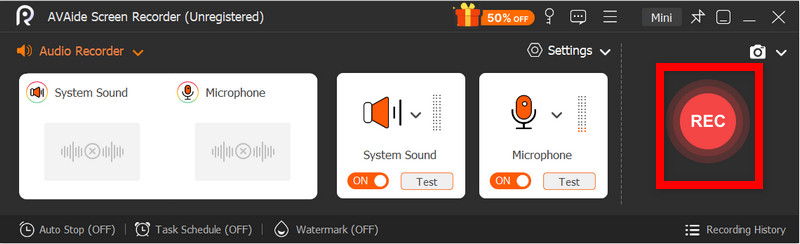
Apri il software e dalla pagina principale seleziona Registratore audio per registrare solo la voce.
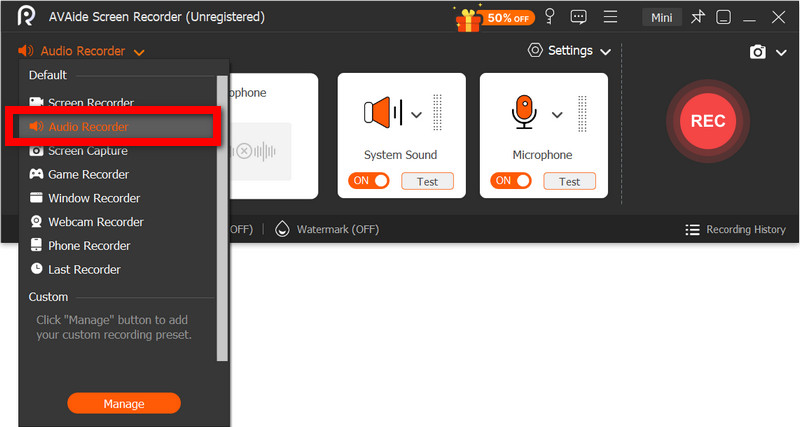
Passaggio 3Attiva microfono e audio di sistema
Attivare il Microfono opzione per registrare la voce in modo chiaro. Attiva l'opzione Suono di sistema per acquisire l'audio interno del tuo Mac.
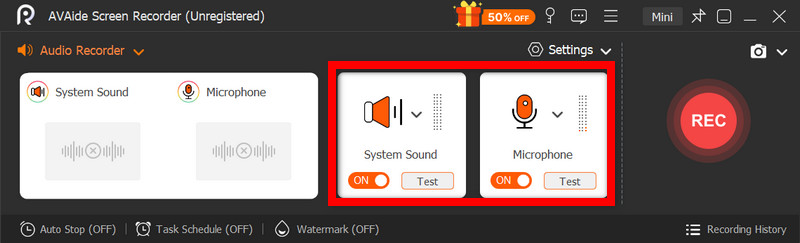
Passaggio 4Regola le impostazioni di registrazione
Dal Impostazioni Nel menu, seleziona il formato audio e la qualità di uscita preferiti. Scegli la posizione di salvataggio e regola il livello del volume per il microfono e l'audio di sistema.
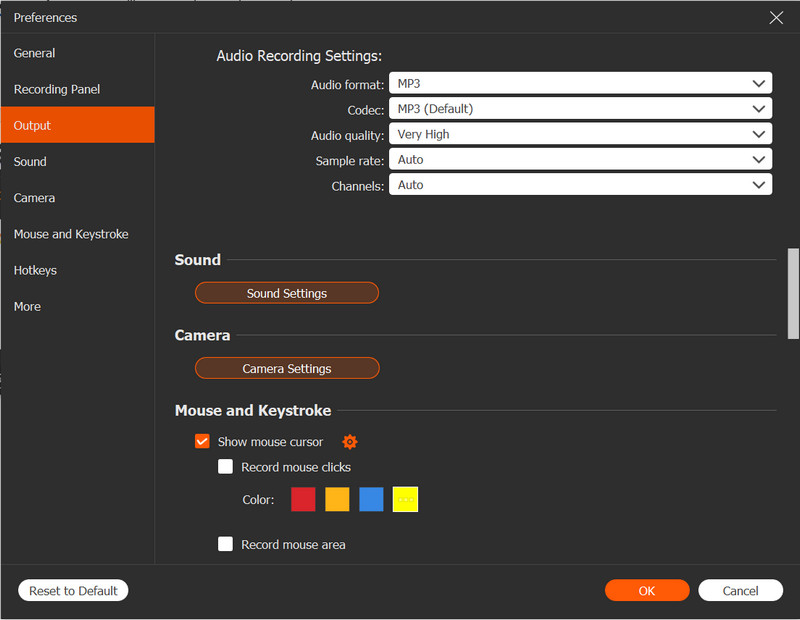
Passaggio 5Inizia a registrare
Seleziona il REC Opzione per avviare la registrazione della tua voce. Durante la sessione di registrazione, puoi mettere in pausa, riprendere o aggiungere note.
Passaggio 6Salva e visualizza l'anteprima
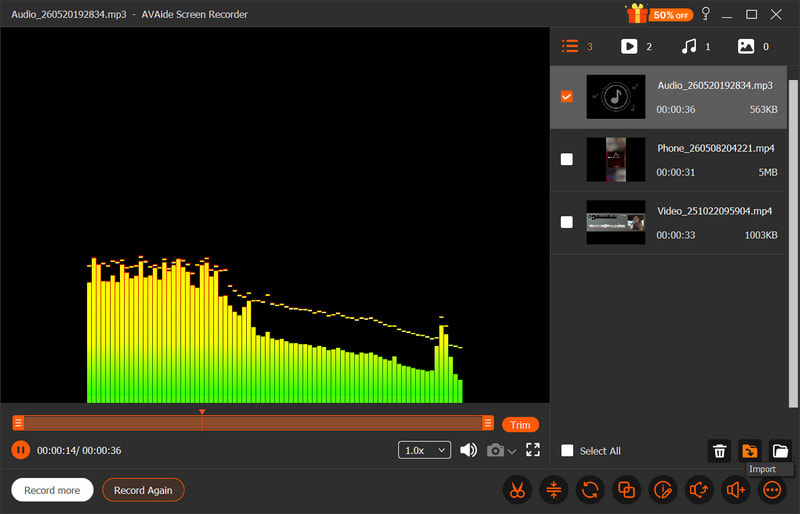
Seleziona il Fermare È possibile interrompere la registrazione audio. Successivamente, è possibile tagliare l'audio e salvare la registrazione sul Mac.
2. Utilizzo di Audacity
Audacity è un registratore ed editor audio per Mac facile da usare, potente e gratuito. È spesso preferito ad altre opzioni per podcast e progetti musicali grazie ai suoi flussi di lavoro semplici e alle funzionalità professionali come la riduzione del rumore, il ritaglio e il miglioramento dell'audio. Nonostante tutte queste caratteristiche, Audacity ha un'interfaccia utente semplice, il che lo rende un'ottima scelta per i principianti.
Passo 1Scarica Audacity e installalo sul tuo Mac. Apri l'applicazione al termine dell'installazione.
Passo 2Seleziona l'ingresso audio. Imposta l'ingresso sul tuo dispositivo audio e regola il livello di acquisizione.
Passaggio 3Quando sei pronto per registrare, premi il pulsante Disco premi il pulsante e inizia a parlare nel microfono.
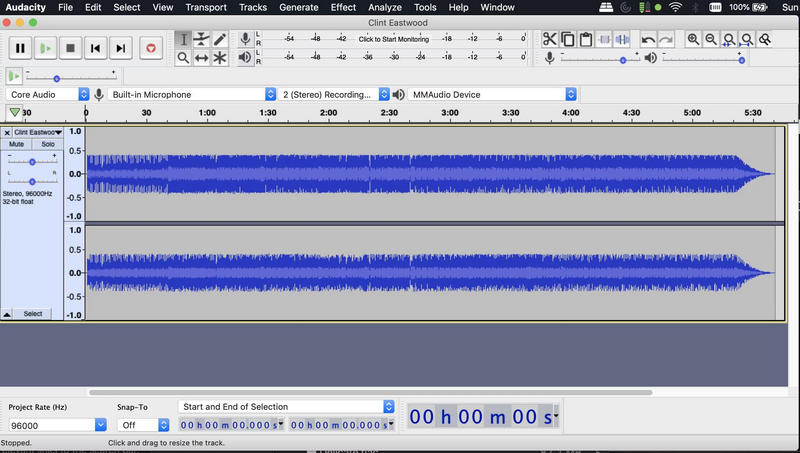
Passaggio 4Al termine della registrazione, premere il pulsante Fermare pulsante.
Passaggio 5Quando sei soddisfatto della registrazione, seleziona il progetto che desideri esportare andando su File > Esportare. Selezionare MP3, WAV, oppure un'altra opzione di esportazione audio.
3. Utilizzo di GarageBand
Un'ottima alternativa ad Audacity è GarageBand, un'app proprietaria di Apple preinstallata su tutti i Mac. GarageBand ha tutte le stesse funzionalità di Audacity e altro ancora, come strumenti musicali ed effetti audio. GarageBand è persino migliore per le produzioni musicali ed è ampiamente utilizzato per registrare podcast Sessioni di registrazione, doppiaggi e progetti audio di alta qualità con controllo del suono professionale.
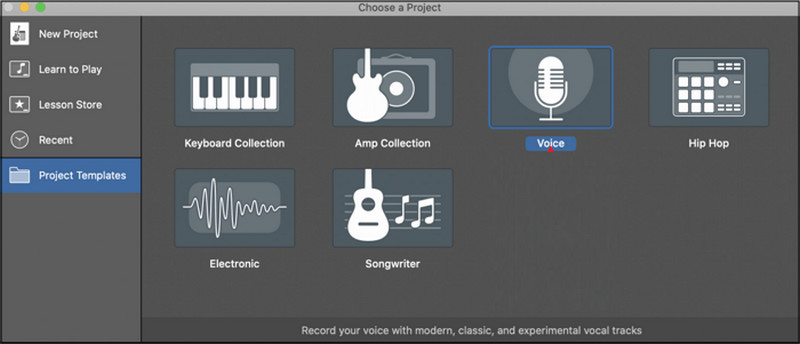
Passo 1Avvia GarageBand e seleziona Nuovo progetto, selezionando l'opzione Voce.
Passo 2Seleziona l'ingresso audio che desideri utilizzare per la registrazione. Se lo desideri, abilita il monitoraggio audio per ascoltare la tua voce durante la registrazione.
Passaggio 3Colpo Disco e iniziare la sessione.
Passaggio 4Quando hai finito la registrazione, premi il pulsante Fermare pulsante. Utilizza le funzioni di modifica e regolazione del suono di GarageBand per perfezionare la tua registrazione.
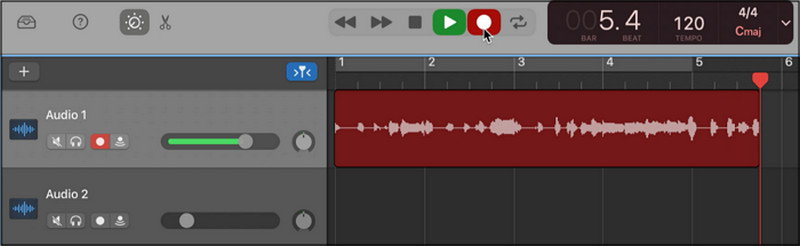
Passaggio 5Esporta il progetto audio completato sul tuo Mac nella qualità e nel formato desiderati.
Consigli extra
1. Come registrare l'audio da YouTube su Mac
Per registrare l'audio di YouTube, i corsi online, i webinar e la riproduzione di podcast e musica sul tuo Mac, puoi utilizzare OBS Studio, un software di registrazione gratuito per video dello schermo e streaming live. Poiché OBS Studio offre registrazioni di alta qualità dei suoni di sistema, è un'ottima opzione da avere a disposizione.
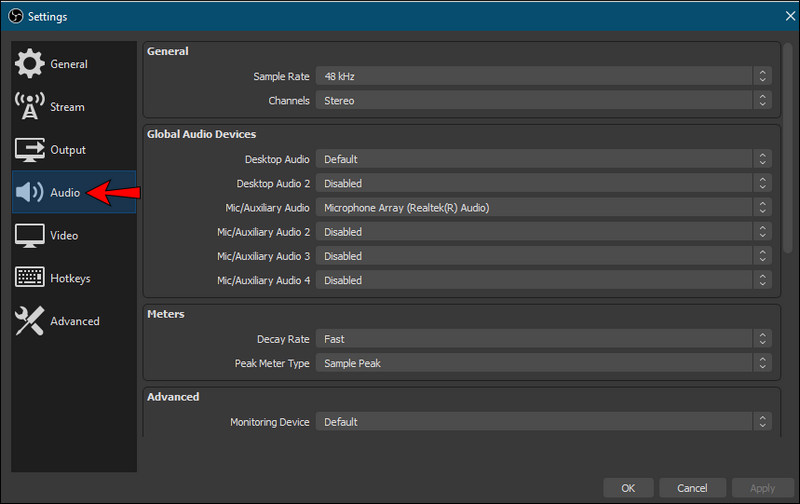
Passo 1Scarica e installa OBS Studio sul tuo Mac e apri il software una volta installato.
Passo 2Crea una nuova fonte nel Audio opzione e seleziona il dispositivo audio di sistema o il driver audio virtuale.
Passaggio 3Apri YouTube nel browser e carica il video/audio che desideri registrare.
Passaggio 4Colpire il Inizia a registrare premere il pulsante, quindi riprodurre normalmente il video/audio di YouTube.
Passaggio 5Attendi che l'audio che desideri registrare sia terminato, quindi premi il pulsante Fermare fai clic e individua il file audio, che ora è salvato sul tuo Mac.
2. Come registrare l'audio su Mac con un microfono esterno
L'audio proveniente da microfoni esterni, nella maggior parte dei casi, ha una qualità audio superiore rispetto al microfono interno di un Mac. I microfoni USB hanno una connessione diretta a un Mac. Tuttavia, i microfoni XLR potrebbero necessitare di un'interfaccia audio per una migliore qualità del suono e un rumore inferiore. Utilizzando il miglior registratore schermo per Mac Può anche contribuire a ottenere registrazioni più nitide quando si combinano attività audio e video.
Passo 1Collega il microfono scelto al tuo Mac, apri Impostazioni di sistema, vai a Suonoe imposta il microfono appena collegato come dispositivo di input.
Passo 2Regola il livello di ingresso del microfono e verifica l'audio per assicurarti che la tua voce venga rilevata chiaramente.
Passaggio 3Apri il software di registrazione che preferisci, come ad esempio AVAide Screen Recorder.
Passaggio 4Seleziona il microfono esterno nelle impostazioni del software e avvia la registrazione della tua voce o della tua sessione audio.
Passaggio 5Interrompi la registrazione, controlla la qualità del suono e salva o esporta il file audio finale sul tuo Mac.
Registra la voce del Mac È possibile registrare facilmente audio utilizzando strumenti integrati come QuickTime e Memo Vocali, oppure software avanzati per registrazioni di qualità professionale. Che si tratti di audio interno, narrazione di podcast o registrazione di lezioni online, questi metodi offrono soluzioni affidabili per acquisire un suono nitido ed efficiente sul Mac.
INFORMAZIONI SULL'AUTORE

Cattura le attività sullo schermo con audio, riunioni online, video di gioco, musica, webcam, ecc.
Registrazione audio