

Tentando descobrir Como gravar áudio em um Mac Isso acontece com frequência quando você precisa gravar uma aula, salvar uma videochamada, gravar um podcast ou criar conteúdo de voz rapidamente. Felizmente, o macOS inclui ferramentas de gravação integradas, e diversas opções de terceiros podem ajudá-lo a gravar áudio de alta qualidade, tanto do microfone quanto da tela interna, com facilidade.
Método 1: Usando o QuickTime Player
Parece que todo mundo tem o QuickTime instalado no macOS. O QuickTime oferece uma interface intuitiva, gravação de microfone confiável e exportações rápidas que não exigem nenhum outro aplicativo. Essa técnica é útil para locuções, palestras, reuniões online e até mesmo gravações básicas de podcasts.
Passo 1Inicie o QuickTime Player a partir da pasta Aplicativos ou através da pesquisa do Spotlight.
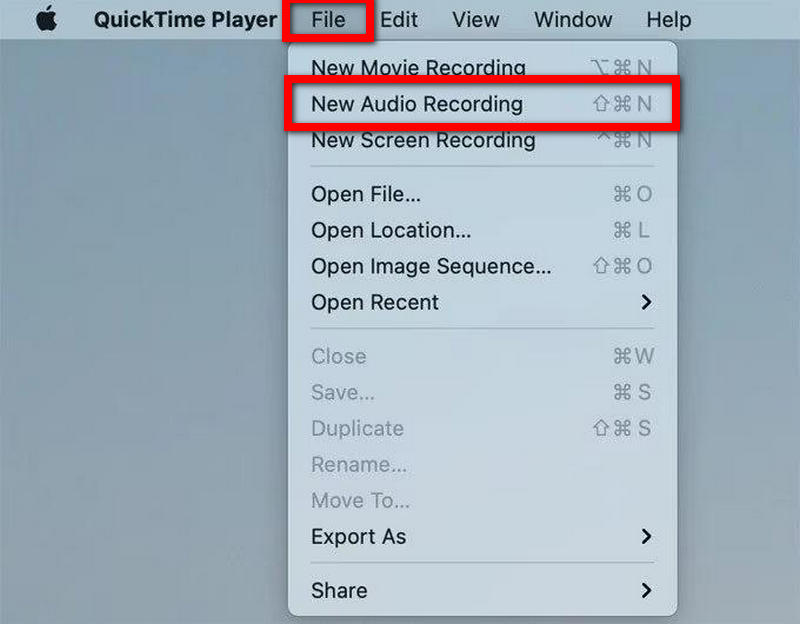
Passo 2Vou ao Arquivo menu na barra de menu superior.
etapa 3Clique Nova gravação de áudio.
Passo 4Pressione a pequena seta ao lado do Registro botão para especificar o microfone que deseja usar.
Etapa 5Se necessário, ajuste o volume de entrada.
Etapa 6Para iniciar a gravação, pressione o botão Registro botão.
Etapa 7 Fale ao microfone.
Etapa 8aperte o Pare botão para encerrar a gravação.
Passo 9Para salvar a gravação no seu Mac, acesse Arquivo e selecione Salve .
Método 2: Utilizando o Gravador de Voz
O Gravador de Voz foi criado para gravações de voz rápidas. Este aplicativo é ótimo para criar lembretes pessoais, fazer brainstorming de ideias, gravar pequenas palestras e gravações de áudio curtas. Os memorandos de voz gravados são sincronizados automaticamente pelo iCloud, ficando disponíveis em todos os dispositivos Apple.
Passo 1Inicie o Gravador de Voz no seu Mac.
Passo 2aperte o Registro botão.
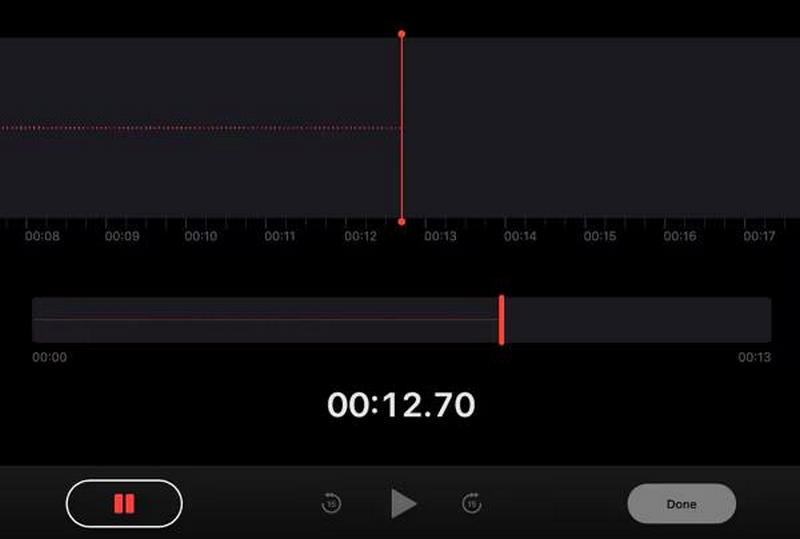
etapa 3Fale pelo microfone.
Passo 4Se precisar interromper a gravação por um instante, selecione Pausa.
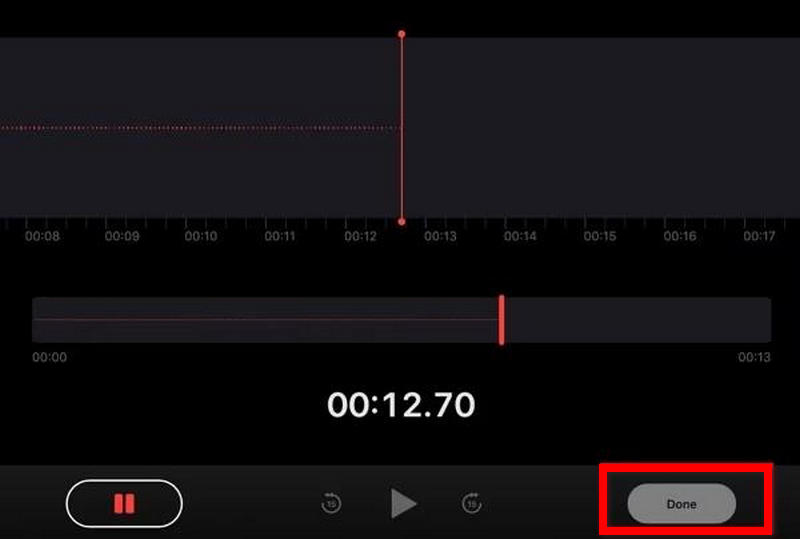
Etapa 5Imprensa Feito Para finalizar a gravação.
Etapa 6Para facilitar a localização da gravação, selecione a Renomear opção.
Etapa 7Para compartilhar, duplicar ou exportar a gravação, clique com o botão direito do mouse no arquivo.
Por que o macOS não oferece suporte nativo à gravação de áudio interna?
Por padrão, o macOS permite o uso do microfone. No entanto, não há como gravar áudio interno do sistema com a funcionalidade integrada. Isso inclui reprodução de mídia em aplicativos, músicas e sons do navegador. Privacidade, proteção de direitos autorais e segurança do sistema são os motivos pelos quais o macOS impõe essas restrições.
Ao contrário do áudio do microfone, o áudio interno pode conter mídias protegidas ou comunicações privadas de aplicativos. Por esse motivo, a Apple restringe o acesso aos canais de áudio internos, a menos que os usuários instalem softwares adicionais.
Devido a esses problemas, ferramentas como o QuickTime não conseguem gravar áudio interno, mas conseguem gravar áudio externo através de um microfone.
Exemplos desses problemas:
- Grave o jogo com o áudio.
- Grave uma aula online.
- Grave áudio e vídeo online.
- Gravar áudio de um vídeo online na internet.
- Grave vídeos instrutivos com o áudio interno do computador.
Método 3: Usando BlackHole + QuickTime Player
BlackHole é um driver de áudio virtual gratuito que permite que o áudio do sistema seja roteado internamente para softwares de gravação. Se este driver for usado em conjunto com o QuickTime, os usuários de Mac podem gravar áudio interno e áudio de microfones externos. Este driver permite que os usuários gravem reuniões online, tutoriais, jogos, webinars, podcasts e áudio do navegador, tudo com áudio nítido e de alta qualidade.
Passo 1Baixe e instale o BlackHole no seu Mac a partir do site oficial e, em seguida, abra o Configuração de Áudio MIDI.
Passo 2Crie um dispositivo de saída múltipla e habilite tanto os alto-falantes ou fones de ouvido do seu Mac quanto o BlackHole.
etapa 3 Defina o dispositivo de saída múltipla como sua saída de áudio padrão nas configurações de som.
Passo 4Abra o QuickTime Player e selecione Arquivo > Nova gravação de áudio, então escolha Buraco Negro como o microfone ou fonte de áudio.
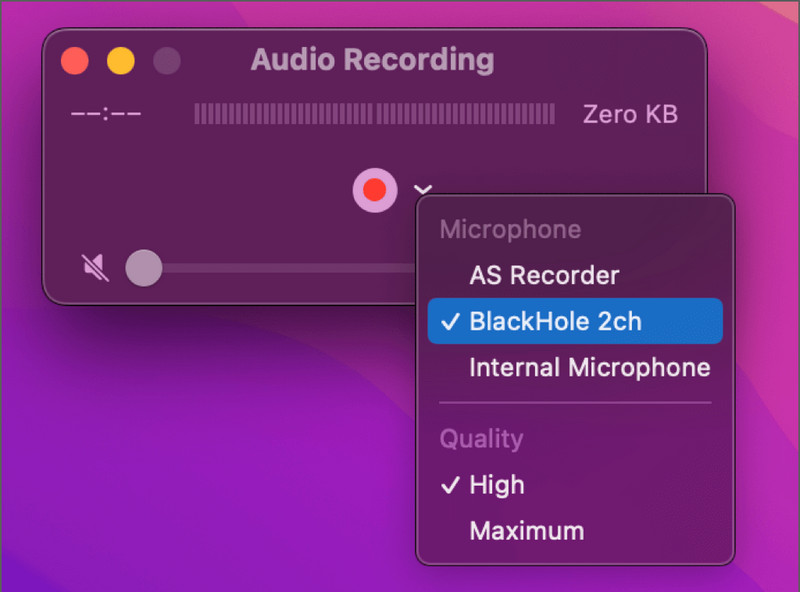
Etapa 5Clique no Registro Pressione o botão, reproduza o áudio que deseja capturar e, em seguida, pare e salve a gravação quando terminar.
Método 4: Utilizando software dedicado de terceiros
1. Gravador de tela AVAide
Gravador de tela AVAide O AVAide é perfeito para usuários de Mac que desejam uma ferramenta simples, porém poderosa, para gravar voz e áudio. Além da gravação de tela, o AVAide pode capturar áudio do seu microfone, alto-falantes do sistema e webcam, bem como da tela do seu telefone. Um dos melhores recursos do AVAide é que ele foi projetado tanto para iniciantes quanto para usuários avançados, tornando-o uma ótima opção para qualquer pessoa que precise gravar voz em um Mac.
- Grava simultaneamente o áudio do microfone e do sistema.
- Suporta gravação de áudio de alta qualidade com latência mínima.
- Permite a gravação em tela cheia, em janela ou em área personalizada.
- Inclui gravação por webcam para tutoriais e podcasts.
- Suporta diversos formatos de exportação, como MP3, AAC, FLAC, M4A e outros.

 Download seguro
Passo 1Baixe e instale o software
Acesse o site da AVAide para baixar o software. Siga as instruções de instalação na tela para instalar o software com sucesso.
Passo 2Selecionar gravador de áudio
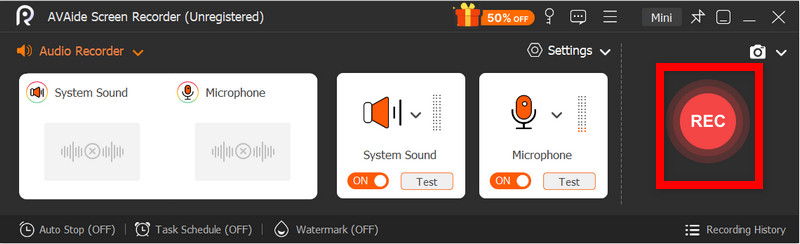
Abra o software e, na página principal, selecione Gravador de áudio Para gravar apenas a voz.
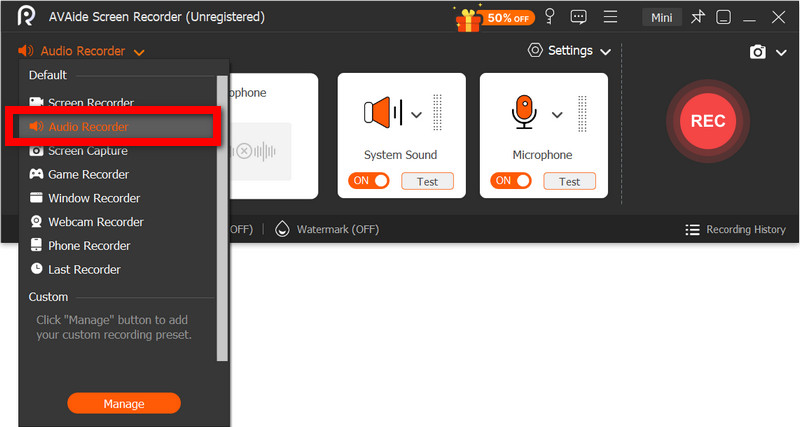
etapa 3Ative o microfone e o som do sistema.
Ative o Microfone opção para gravar voz com clareza. Ative a Som do sistema Para capturar o áudio interno do seu Mac.
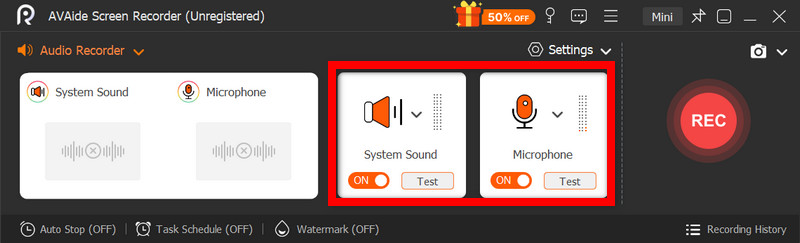
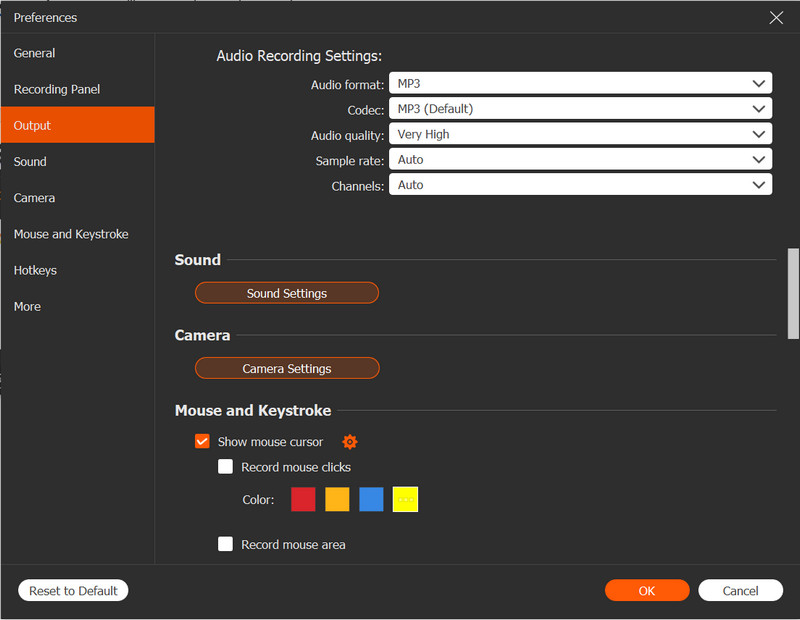
Passo 4Ajustar configurações de gravação
De Configurações No menu, selecione o formato de áudio e a qualidade de saída desejados. Determine o local onde deseja salvar o arquivo e ajuste o volume do microfone e do áudio do sistema.
Etapa 5Comece a gravar
Selecione os GRAVANDO Opção para iniciar a gravação da sua voz. Durante a sessão de gravação, você pode pausar, retomar ou adicionar notas.
Etapa 6Salvar e visualizar
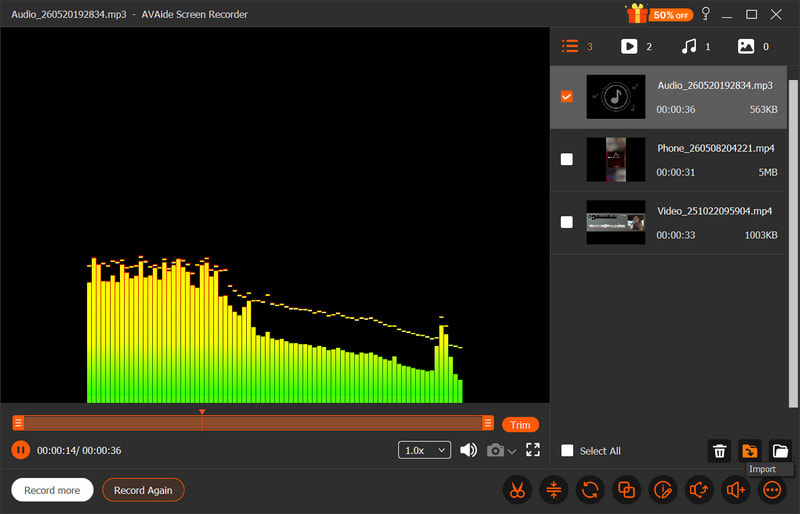
Selecione os Pare opção para encerrar a gravação de áudio. Em seguida, você poderá cortar o áudio e salvar a gravação no seu Mac.
2. Usando o Audacity
O Audacity é um gravador e editor de áudio para Mac fácil de usar, poderoso e gratuito. Ele é frequentemente preferido a outras opções para podcasts e projetos musicais devido aos seus fluxos de trabalho simples e recursos profissionais, como redução de ruído, corte e aprimoramento de áudio. Mesmo com todos esses recursos, o Audacity possui uma interface de usuário simples, tornando-o uma ótima escolha para iniciantes.
Passo 1Baixe o Audacity e instale-o no seu Mac. Abra o aplicativo após a conclusão da instalação.
Passo 2Selecione sua entrada de áudio. Configure a entrada para seu dispositivo de áudio e ajuste o nível de captura.
etapa 3Quando estiver pronto para gravar, pressione o Registro botão e comece a falar no seu microfone.
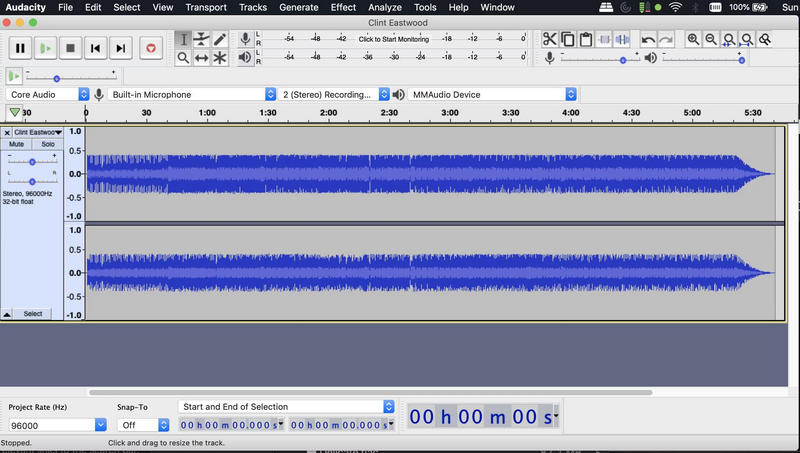
Passo 4Ao terminar a gravação, pressione o Pare botão.
Etapa 5Quando estiver satisfeito com a gravação, selecione o projeto que deseja exportar acessando... Arquivo > Exportar. Selecionar MP3, WAVou outra opção de exportação de áudio.
3. Usando o GarageBand
Uma ótima alternativa ao Audacity é o GarageBand, um aplicativo proprietário da Apple pré-instalado em todos os Macs. O GarageBand possui todos os mesmos recursos do Audacity e muito mais, como ferramentas musicais e efeitos de áudio. O GarageBand é ainda melhor para produções musicais e é amplamente utilizado para podcast de gravação Sessões, locuções e projetos de áudio de alta qualidade com controle de som profissional.
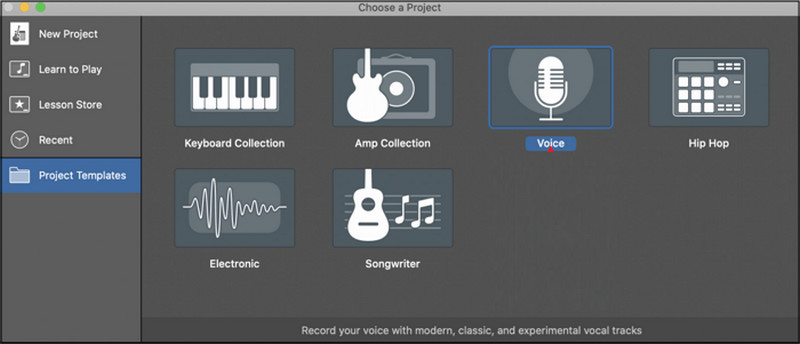
Passo 1Inicie o GarageBand e selecione Novo Projeto, escolhendo a opção Voz.
Passo 2Selecione a entrada que deseja usar para gravar. Se desejar, ative o monitoramento de áudio para ouvir sua voz durante a gravação.
etapa 3Bater Registro e inicie sua sessão.
Passo 4Quando terminar a gravação, pressione o Pare botão. Use os recursos de edição e ajuste de som do GarageBand para aprimorar sua gravação.
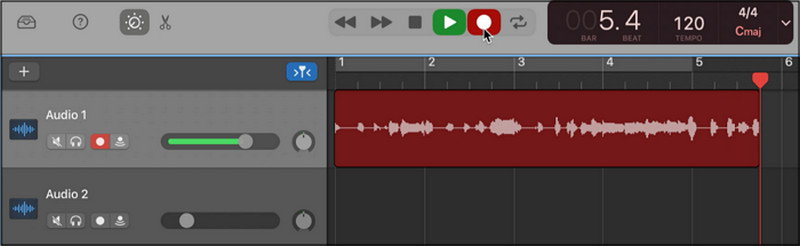
Etapa 5Exporte o projeto de áudio finalizado para o seu Mac na qualidade e formato desejados.
Dicas bônus
1. Como gravar áudio do YouTube no Mac
Para capturar áudio do YouTube, cursos online, webinars e a reprodução de podcasts e músicas no seu Mac, você pode usar o OBS Studio, um software gratuito para gravação de vídeo da tela e transmissão ao vivo. Como o OBS Studio oferece gravações de alta qualidade dos sons do sistema, é uma ótima opção.
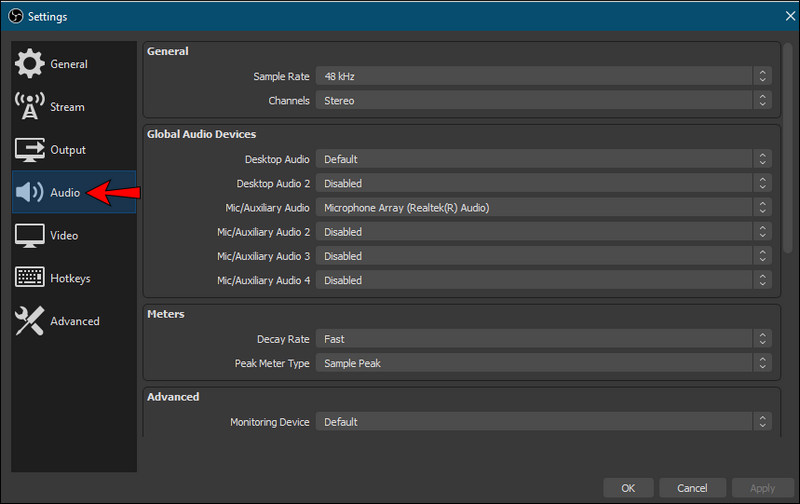
Passo 1Baixe e instale o OBS Studio no seu Mac e abra o programa após a instalação.
Passo 2Crie uma nova fonte em Áudio opção e selecione o dispositivo de áudio do seu sistema ou o driver de áudio virtual.
etapa 3Abra o YouTube no navegador e carregue o vídeo/áudio que deseja gravar.
Passo 4Acerte o Comece a gravar botão e, em seguida, reproduza o vídeo/áudio do YouTube normalmente.
Etapa 5Aguarde até que o áudio que deseja gravar termine e, em seguida, pressione o botão. Pare Clique no botão e localize o arquivo de áudio, que agora está salvo no seu Mac.
2. Como gravar áudio no Mac com um microfone externo
Na maioria dos casos, o áudio proveniente de microfones externos apresenta qualidade superior em comparação com o microfone interno do Mac. Microfones USB possuem conexão direta com o Mac. Já os microfones XLR podem necessitar de uma interface de áudio para melhor qualidade de som e menor ruído. melhor gravador de tela para Mac Também pode ajudar a capturar gravações mais nítidas ao combinar tarefas de áudio e vídeo.
Passo 1Conecte o microfone escolhido ao seu Mac e abra o aplicativo. Configurações de sistema, Vá para SomE defina o microfone que você acabou de conectar como dispositivo de entrada.
Passo 2Ajuste o nível de entrada do microfone e teste o som para garantir que sua voz esteja sendo detectada com clareza.
etapa 3Abra o seu software de gravação preferido, como o AVAide Screen Recorder.
Passo 4Selecione o microfone externo nas configurações do software e comece a gravar sua voz ou sessão de áudio.
Etapa 5Pare a gravação, verifique a qualidade do som e salve ou exporte o arquivo de áudio final para o seu Mac.
Gravar voz no Mac Você pode gravar facilmente usando ferramentas integradas como QuickTime e Gravador de Voz ou softwares avançados para obter gravações com qualidade profissional. Seja para áudio interno, narração de podcasts ou gravações de aulas online, esses métodos oferecem maneiras confiáveis e eficientes de capturar som nítido no seu Mac.
SOBRE O AUTOR

Capture atividades na tela com áudio, reuniões online, vídeos de jogos, música, webcam, etc.