Optimizilla is, more or less, a browser-based image compressor made to shrink file sizes and still keep the images looking fairly clear. In this review, I look at its key features, how well it compresses, what about safety, plus the benefits and limitations. I also compare Optimizilla with a few other well-known compressors, so you can see what happens with different image types, and for those everyday compression chores you run into.
Part 1. Optimizilla at a Glance
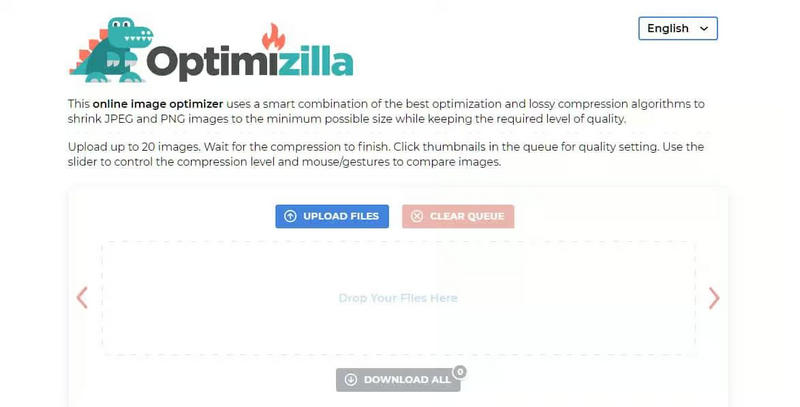
What stands out is that Optimizilla keeps things simple; it mixes automatic optimization with quality controls, aiming for smaller files without making the whole thing feel complicated or heavy.
| Aspects | Optimizilla Details |
| Tool Type | Browser-based image compressor. |
| Main Function | Reduces image file sizes while retaining as much visual quality as possible. |
| Supported Formats | JPEG and PNG. |
| Batch Processing | Compresses up to 20 images at once. |
| Compression Control | Provides adjustable quality settings for balancing file size and image quality. |
| Preview | Allows users to preview compressed images before downloading. |
| Installation | Runs online without requiring software installation. |
| Best For | Website images, email attachments, online uploads, and everyday file-size reduction. |
Part 2. Optimizilla Key Features Breakdown
Optimizilla sort of leans into simple image compression, with handy controls to help you juggle file size and visual quality. It is straightforward but still flexible.
- Batch Compression: Compressing a bunch of images at once, rather than doing it one by one each time, takes less effort.
- Adjustable Quality: Lets you really dial in the compression level so the picture does not look too odd while the file stays smaller.
- Before-and-After Preview: Shows you the original side by side with the compressed one, so you can double-check before you download.
- JPEG and PNG Support: Support covers the usual formats, including JPEG and PNG files.
- Individual Controls: This means you can adjust the compression settings separately for each uploaded image, rather than relying on one single general setting, you know.
- ZIP Download: Bundles the finished results, so multiple compressed images can return together in one nice ZIP file, all convenient like.
Part 3. Optimizilla Compression Quality Tested
A real practical test gives a clearer view of how Optimizilla manages the different image kinds. The sample below compares the original file size with the compressed output, and also how much total space is saved.
| Image Type | Original Size | Optimizilla Result | Compression Ratio | Size Reduced |
| Product Photo (JPG) | 2.4 MB | 780 KB | 67.5% | 1.62 MB |
| Portrait (JPG) | 3.1 MB | 1.05 MB | 66.1% | 2.05 MB |
| PNG Graphic | 1.2 MB | 310 KB | 74.2% | 890 KB |
| Batch Average | 2.23 MB | 713 KB | 69.3% | 1.52 MB |
Results Analysis
The PNG graphic had the largest reduction, and both JPG photos also managed some fairly strong size savings. I am saying, the results can honestly vary a bit depending on the image format, the color setup, surface texture, and those little things in the pixels that you almost never notice.
The portrait stayed a little bigger after compression, because it had more fine details, like hair, skin tones, and how the clothing sits on the body. On the flip side, the product photo had fewer intricate areas, so it was simpler for the encoder to shave it down.
All in all, the sample ended up with a 69.3% average reduction, going from 2.23 MB down to 713 KB. Since Optimizilla includes quality tweaks, what you get will really depend on the compression level you decide to use.
Part 4. Is Optimizilla Safe?
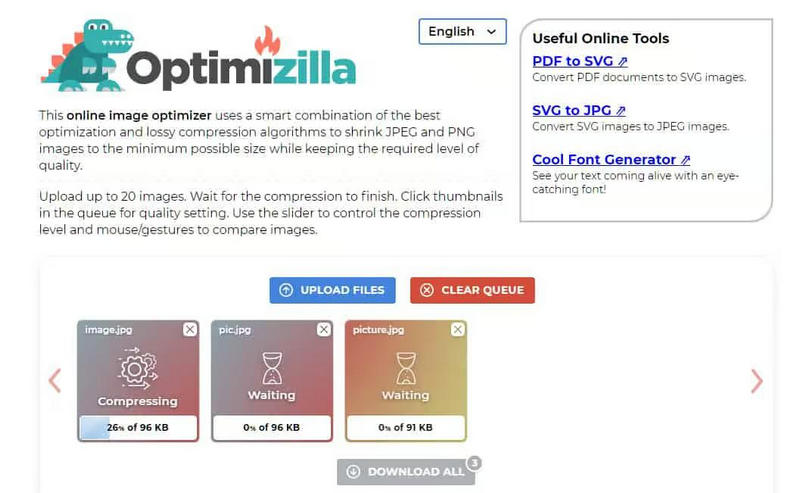
Optimizilla is pretty safe for everyday image compression, generally. But the thing is, uploaded images get processed online, so the file does leave the device during the compression step. For normal photos, product shots, and website graphics, this is usually totally fine, and you probably would not notice any real issue.
Still, for private or confidential images, extra caution is a good idea, like you really should think twice. Optimizilla feels more like it fits non-sensitive files, where privacy is not a big deal, and it can stay out in the open.
Part 5. Optimizilla Pros and Cons
Optimizilla gives a straightforward compression workflow, with controls that are pretty handy, but it also comes with some constraints you might want to keep in mind.
- Pros
- Optimizilla is free to use.
- It has a simple, easy interface.
- It can compress multiple images at once.
- Users can adjust the quality setting, such as making images bigger.
- It shows a preview before downloading.
- It works without installing anything on your device.
- Cons
- Images must be uploaded online.
- It supports only a few formats.
- It is not ideal for private images.
- The results vary from image to image.
- Editing features are pretty limited.
Part 6. Optimizilla vs Alternatives
Different image compressors focus on different needs, from quick file-size reduction to detailed quality adjustments. This comparison highlights their main differences while placing AVAide as the most complete option.
| Feature | Optimizilla | AVAide Image Compressor | TinyPNG | Squoosh |
| Ease of Use | ★★★★☆ 4/5 | ★★★★★ 5/5 | ★★★★☆ 4/5 | ★★★★☆ 4/5 |
| Batch Compression | Up to 20 images | Up to 40 images | Up to 20 images | One image at a time |
| Format Support | Mainly JPG and PNG | JPG, PNG, GIF, and more | JPG, PNG, WebP, AVIF, and more | JPG, PNG, WebP, AVIF, and more |
| Quality Control | Manual quality adjustment | Automatic compression | Automatic compression | Detailed manual controls |
| Preview | Before-and-after preview | Simple compression workflow | Compression comparison | Live preview |
| Best For | Quick image compression | Flexible batch compression | Web image optimization | Precise compression control |
Summary
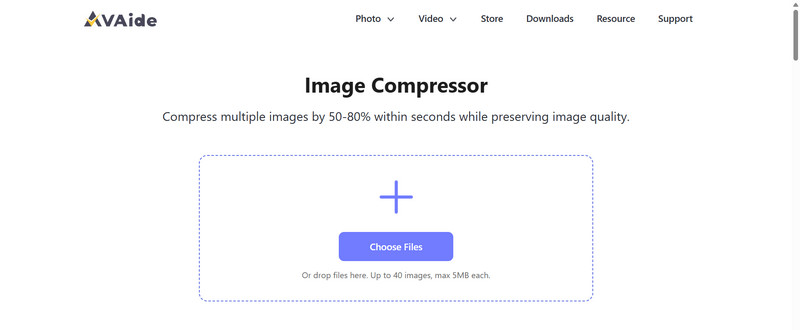
1. AVAide Image Compressor, kinda simple workflow really, it lets you do batch compression for up to 40 images, and it handles a few usual image formats too.
2. Optimizilla gives an easy compression option, with manual quality tweaks that feel kind of quick and convenient, especially for JPG and PNG files, you know.
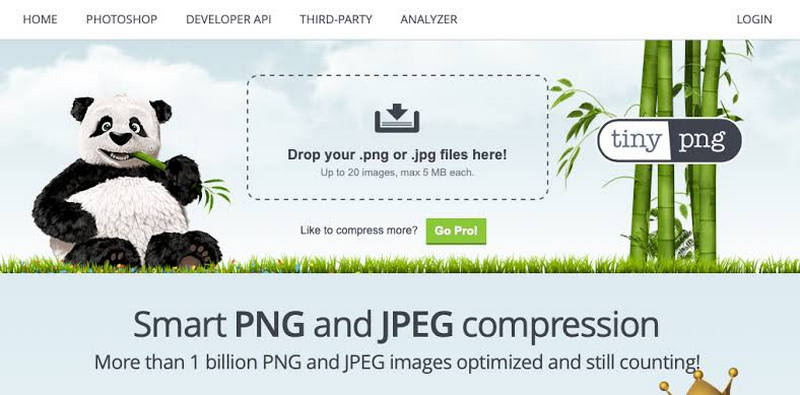
3. TinyPNG is more about plain image optimization, and it supports multiple modern formats, so it works well for web images and that sorta thing.
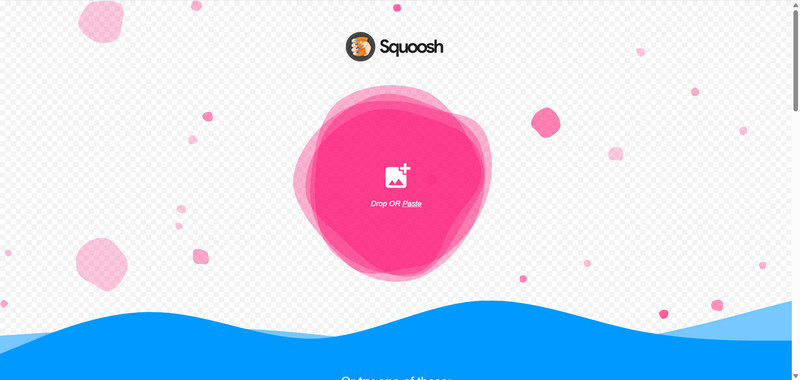
4. Squoosh kinda steps it up by giving more granular control over compression settings and image aspect ratio, which is handy if you want to fine-tune the final output, instead of just letting it do its own thing.
Part 7. Who Should Use Optimizilla
Optimizilla kinda feels like a practical pick for people who want fast image compression, no need to install anything or learn all those complicated editing tools or whatever. It’s basically built for quick results.
- Bloggers: It can help reduce image sizes before you upload photos for articles, which is kind of handy.
- Website Owners: Smaller files can make website images feel lighter, so pages might load a bit smoother, almost instantaneously, sometimes.
- Students: It works pretty well for cutting picture size for school projects, without too much fuss.
- Social Media Users: It can shrink large photos before you post, or right before you hit upload.
- Occasional Users: This is a solid fit for anyone who only needs compression now, and then, not daily, you know.
The Optimizilla compression tool offers a simple way to reduce image file sizes without installing software. The batch processing, quality controls, and those previews make it useful for day-to-day use, even if the limited formats and the fact that it runs online might not fit everyone.
ABOUT THE AUTHOR


Reduce the file size of an image online within seconds while preserving the quality. We support JPG, PNG, WEBP, GIF, and more.
PROCESS NOW