Trying to figure out how to record audio on a Mac often happens when you need to capture a class lecture, save a video call, record a podcast, or create voice content quickly. Thankfully, macOS includes built-in recording tools, and several third-party options can help you record high-quality microphone and internal audio with ease.
Method 1: Using QuickTime Player
Everyone seems to have QuickTime on their macOS. QuickTime provides an intuitive interface, trustworthy microphone recording, and speedy exports that require no other application. This technique is useful for voice-overs, lectures, online meetings, and even basic podcast recordings.
第1步Launch QuickTime Player either from the Applications folder or via Spotlight search.
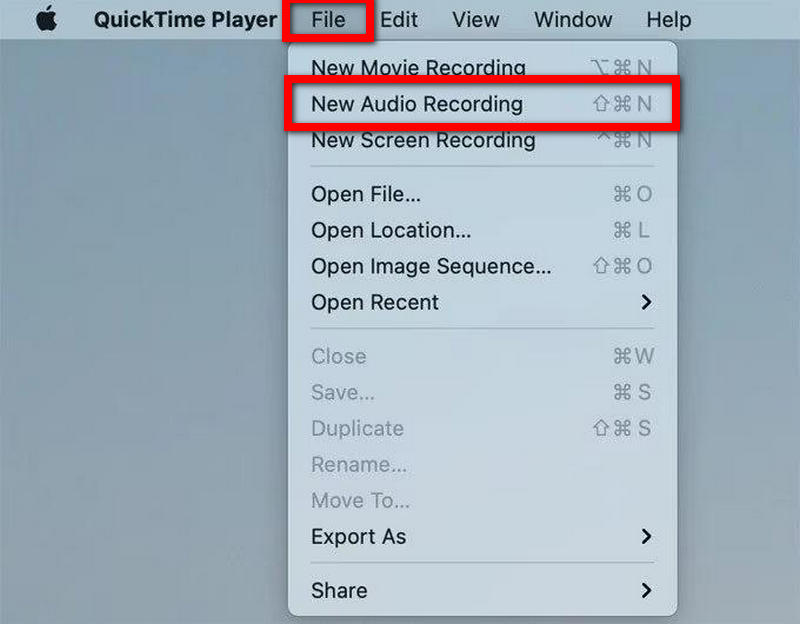
第2步前往 文件 menu from the top menu bar.
第 3 步点击 新的录音.
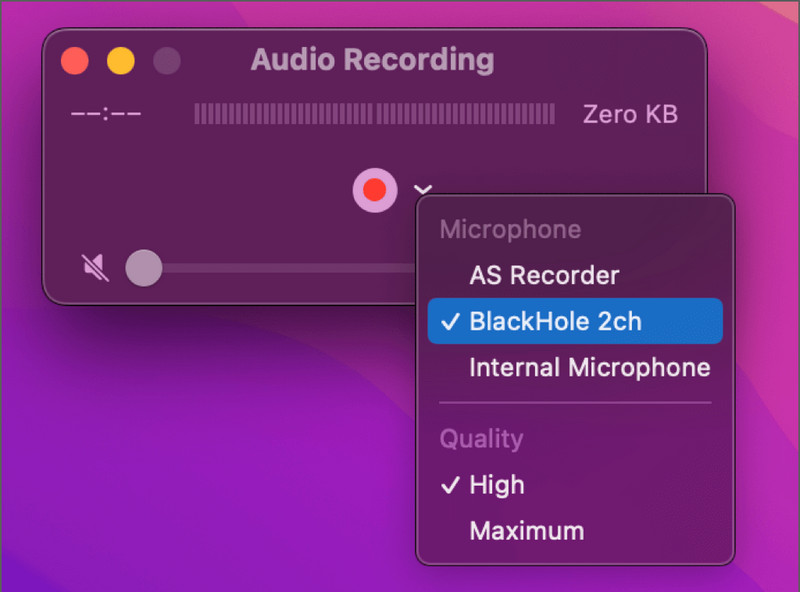
第四步Press the small arrow next to the 记录 button to specify the microphone you want to use.
第 5 步If necessary, adjust the input volume.
第 6 步要开始录制,请按 记录 按钮。
第 7 步 Speak into the microphone.
第 8 步按 停止 button to end the recording.
步骤9To save the recording to your Mac, go to 文件 并选择 保存.
Method 2: Using Voice Memos
Voice Memos is made for quick voice recording. This application is good for making personal reminders, brainstorming ideas, short lectures, and short audio recordings. Recorded voice memos are automatically synced through iCloud, so the recordings are available on all Apple devices.
第1步Launch Voice Memos on your Mac.
第2步按 记录 按钮。
第 3 步Speak through the microphone.
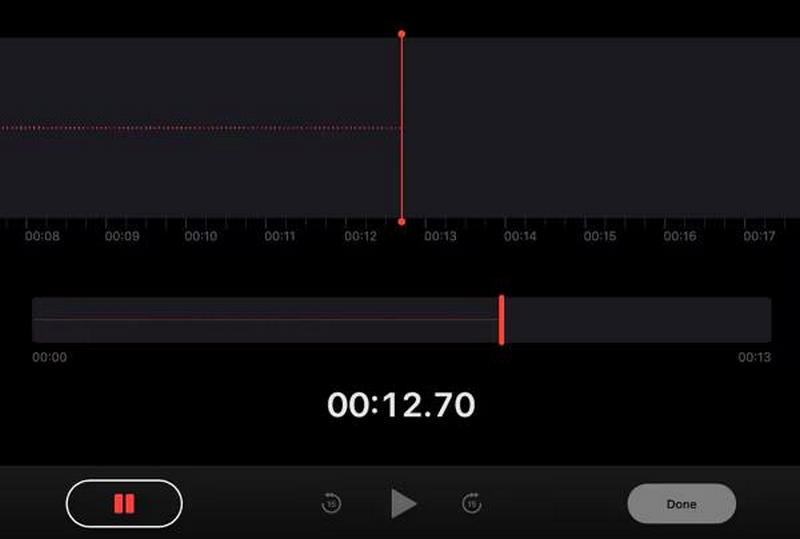
第四步If you need to stop recording for a moment, select 暂停.
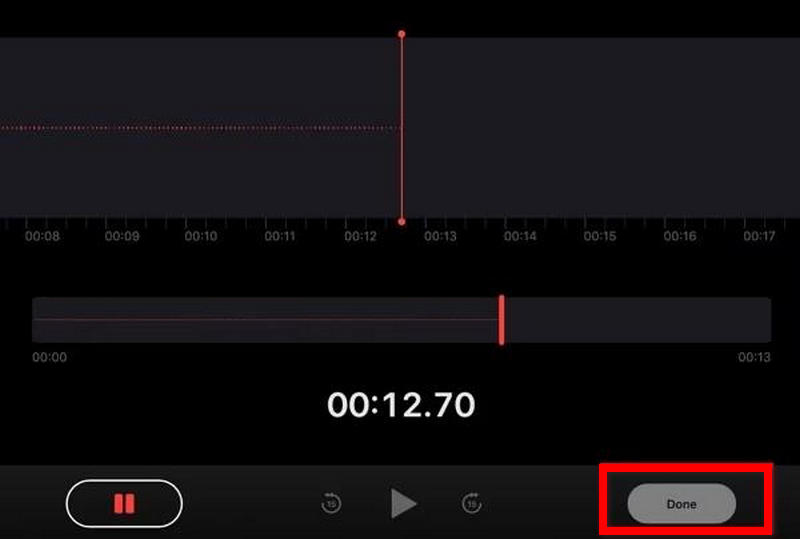
第 5 步按 完毕 to finish the recording.
第 6 步To make it easier to find the recording, select the 改名 选项。
第 7 步To share, duplicate, or export the recording, right-click the file.
Why macOS Does not Natively Support Internal Audio Recording
Out of the box, macOS allows the use of the microphone. However, there is no way to record internal system audio with the built-in functionality. This includes media playing in apps, music, and browser sounds. Privacy, copyright protection, and system security are the reasons macOS has these restrictions.
Unlike microphone audio, internal audio may contain protected media or private communications from apps. Because of this, Apple restricts access to internal audio channels unless users install additional software.
Because of these issues, tools like QuickTime cannot record internal audio, but external audio through a microphone can.
Examples of these issues:
- Record video game play with the audio.
- Record an online class.
- Record online audio and video.
- Record audio from an online video on the web.
- Record instructional videos with internal computer audio.
Method 3: Using BlackHole + QuickTime Player
BlackHole is a free virtual audio driver that allows system audio to be internally routed to recording software. If this driver is used along with QuickTime, then Mac users can record internal audio and external microphone audio. This drive allows users to record online meetings, tutorials, video games, webinars, podcasts, and browser audio, all with high-quality, clear audio.
第1步Download and install BlackHole on your Mac from the official website, then open Audio MIDI Setup.
第2步Create a Multi-Output Device and enable both your Mac speakers or headphones and BlackHole.
第 3 步 Set the Multi-Output Device as your default audio output in the sound settings.
第四步Open QuickTime Player, select 文件 > 新的录音,然后选择 BlackHole as the microphone or audio source.
第 5 步点击 记录 button, play the audio you want to capture, then stop and save the recording once finished.
Method 4: Using Dedicated Third-Party Software
1. AVAide 屏幕录像机
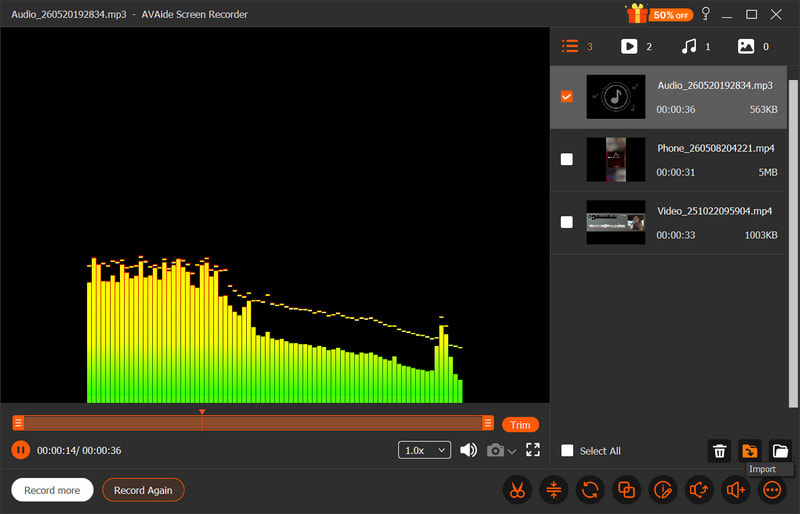
AVAide 屏幕录像 is perfect for Mac users who want a simple yet powerful tool to record voice and audio. On top of screen recording, AVAide can capture audio from your microphone, system speakers, and webcam, as well as your phone screen. One of the best features of AVAide is that it is designed for beginners and advanced users, making it a great option for anyone who needs to record voice on a Mac.
- Records both the microphone and system audio simultaneously.
- Supports high-quality audio recording with minimal lag.
- Allows full-screen, window, or custom area recording.
- Includes webcam recording for tutorials and podcasts.
- Supports multiple export formats such as MP3, AAC, FLAC, M4A, and more.
第1步下载并安装软件
Navigate to the AVAide website to download the software. Follow the on-screen installation instructions to install the software successfully.
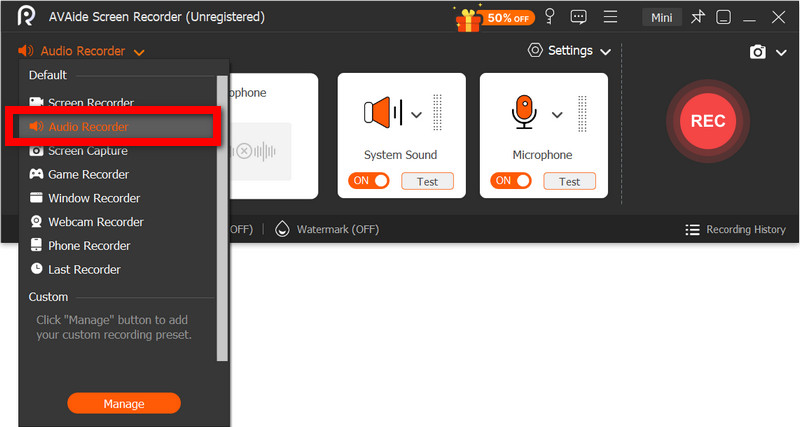
第2步选择录音机
Open the software and from the main page, select 录音机 to record voice only.
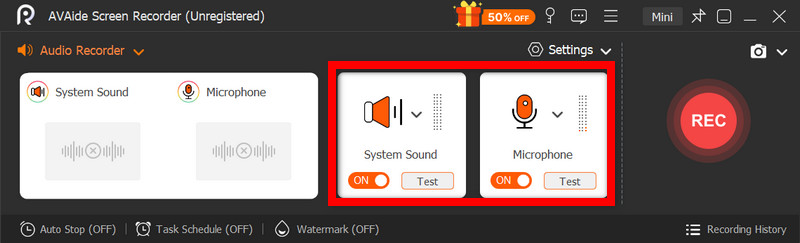
第 3 步Activate Microphone and System Sound
激活 麦克风 option to record voice clearly. Activate the 系统声音 to capture the internal audio from your Mac.
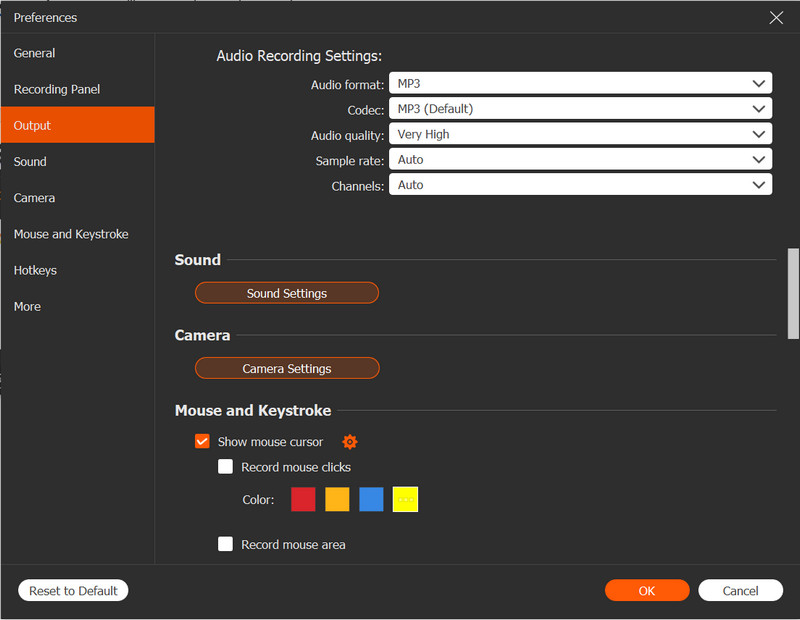
第四步调整录制设置
来自 设置 menu, select your preferred audio format and output quality. Determine the save location and adjust the volume level for the microphone and system audio.
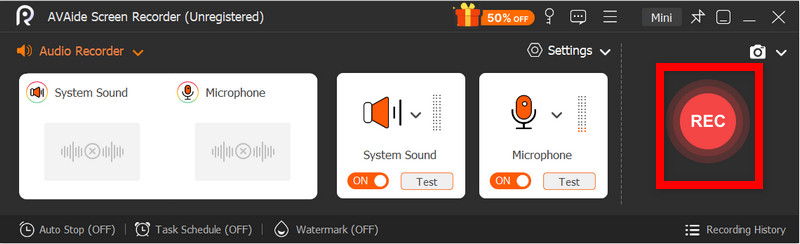
第 5 步开始录制
选择 录音 option to start recording your voice. During the recording session, you can pause, resume, or add notes.
第 6 步Save and Preview
选择 停止 option to end the audio recording. You are then able to trim the audio and save the recorded audio on your Mac.
2. Using Audacity
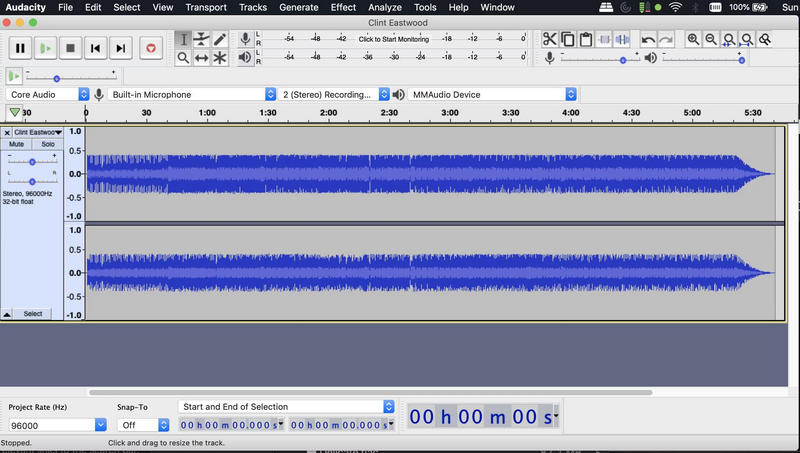
Audacity is an easy-to-use, powerful, free Mac audio recorder and editor. It is often favored over other options for podcasts and music projects because of its simple workflows and professional features like noise reduction, trimming, and audio enhancement. Even with all of these features, Audacity has a simple user interface, making it a great choice for beginners.
第1步Download Audacity and install it on your Mac. Open the app when you finish the installation.
第2步Select your audio input. Set the input to your audio device and adjust the capture level.
第 3 步When ready to record, press the 记录 button and begin to speak into your microphone.
第四步When finished recording, press the 停止 按钮。
第 5 步When satisfied with the recording, select the project you wish to export by going to 文件 > 出口.选择 MP3, WAV, or another audio export option.
3. Using GarageBand
A great alternative to Audacity is GarageBand, which is an Apple proprietary app pre-installed on all Macs. GarageBand has all of the same features as Audacity and more, like music tools and audio effects. GarageBand is even better for music productions and is widely used to record podcast sessions, voiceovers, and high-quality audio projects with professional sound control.
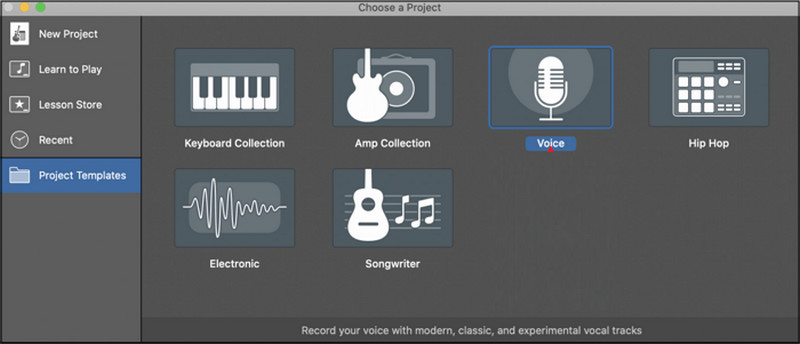
第1步Launch GarageBand and select New Project, selecting the option 嗓音.
第2步Select the input you wish to record with. If you would like, enable Audio monitoring to hear your voice when recording.
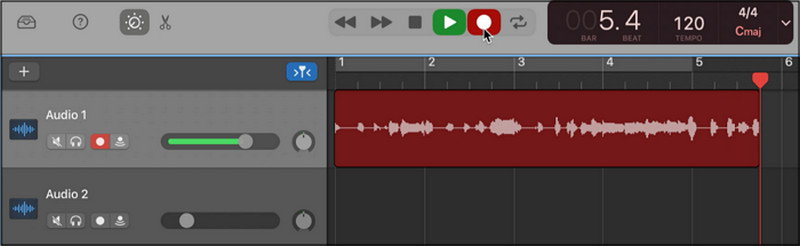
第 3 步打 记录 and begin your session.
第四步When you are done with your recording, press the 停止 button. Use the editing and sound adjustment features in GarageBand to refine your recording.
第 5 步Export the finished audio project in your desired quality and format to your Mac.
Bonus Tips
1. How to Record Audio from YouTube on Mac
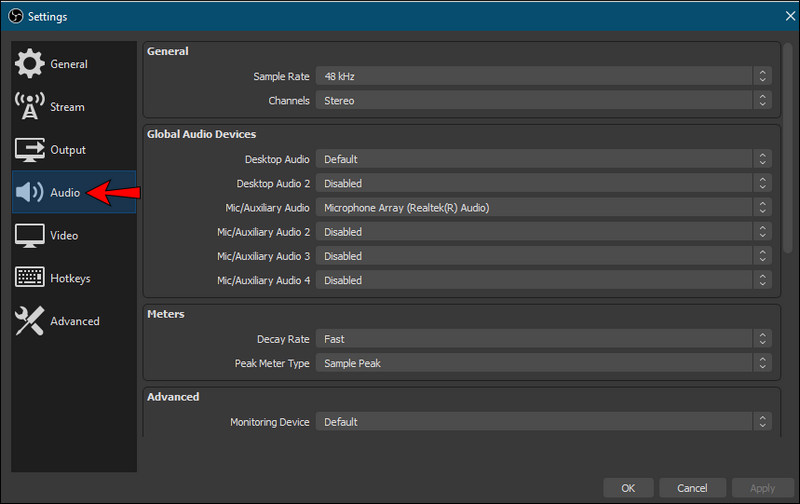
To capture YouTube audio, online courses, webinars, and the playback of podcasts and music on your Mac, you can use OBS Studio, a free recording software for screen video and livestream capture. Since OBS Studio offers high-quality recordings of system sounds, it is a great option to have.
第1步Download and install OBS Studio on your Mac and open the software when it is installed.
第2步Create a new source in the 声音的 option and select your system audio device or virtual audio driver.
第 3 步Open YouTube in the browser and load the video/audio you want to record.
第四步打 开始录制 button, then play the YouTube video/audio normally.
第 5 步Wait until the audio you want to record is finished, then press the 停止 button and locate the audio file, which is now saved on your Mac.
2. How to Record Audio on Mac with an External Microphone
Audio from external mics, in most cases, has a higher audio quality when compared to the internal mic on a Mac. USB microphones have a direct connection to a Mac. However, XLR microphones may need an audio interface for better sound quality and lower noise. Using the best screen recorder for Mac can also help capture clearer recordings when combining audio and video tasks.
第1步Connect your chosen microphone to your Mac, open 系统设置,前往 声音, and set the microphone you just connected as the input device.
第2步Adjust the microphone input level and test the sound to ensure your voice is being detected clearly.
第 3 步Open your preferred recording software, such as AVAide Screen Recorder.
第四步Choose the external microphone inside the software settings and begin recording your voice or audio session.
第 5 步Stop the recording, review the sound quality, and save or export the final audio file to your Mac.
Record Mac voice easily using built-in tools like QuickTime and Voice Memos or advanced software for professional-quality recordings. Whether you need internal audio, podcast narration, or online lecture recordings, these methods provide reliable ways to capture clear sound efficiently on your Mac.
通过音频、在线会议、游戏视频、音乐、网络摄像头等捕捉屏幕活动。